How To Plan A Travel Makeup Bag With Fewer Duplicate Products
A practical step-by-step guide to how to plan a travel makeup bag with fewer duplicate products, including preparation, instructions, common issues, tips, and next steps.

How To Plan A Travel Makeup Bag With Fewer Duplicate Products
Planning a travel makeup bag with fewer duplicate products means thinking about each item's multiple uses before you pack. Instead of tossing in a full-size routine, you choose versatile formulas that serve more than one purpose, such as a cream blush that also tints lips or a tinted moisturizer that combines hydration and coverage. By evaluating every shade, texture, and finish against the trip's activities, climate, and photo needs, you cut weight and clutter while keeping your look polished. This guide walks you through making a focused list, testing products at home, simplifying your routine, picking multitasking tools, protecting formulas for transit, and reusing the same bag for carry-on compliance.
Fast Answer
- List every makeup item you normally use, then mark which could double for another job, such as a lipstick that works as cream blush or an eyeshadow that can act as eyeliner when applied damp.
- Pack only one base product that matches your skin’s current needs, one cheek-and-lip color, one eye palette with neutral shades, one mascara, one brow gel, and one brush that can blend multiple formulas.
Before You Start
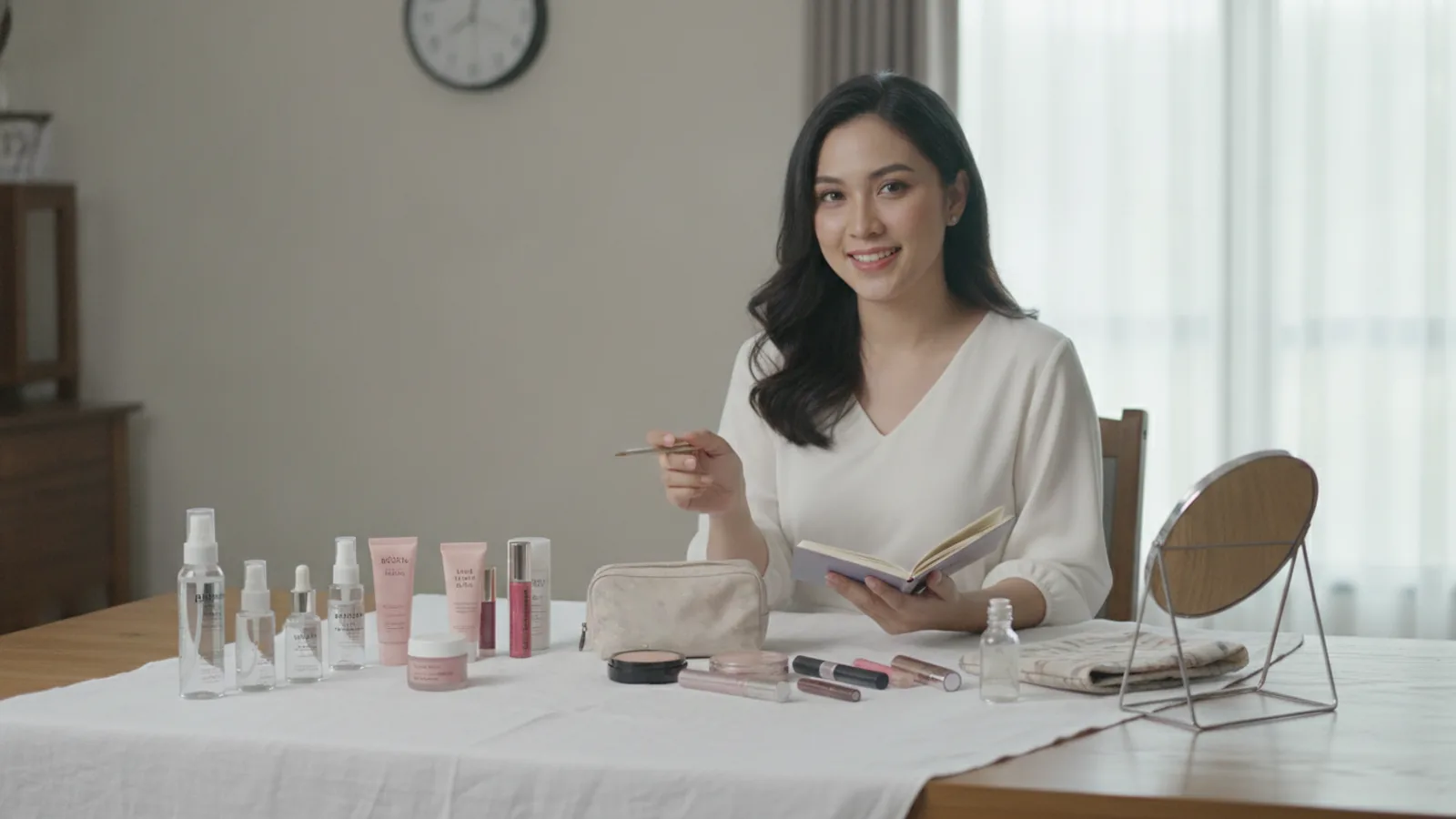
- Take a photo of your full makeup collection or lay out every item on a table, then sort products by category (base, cheeks, eyes, lips, tools) to see where overlaps exist.
- Write down each activity you have planned, such as beach time, hiking, dinner, or interviews, and note the lighting, weather, and photo frequency so you can choose products that handle those conditions.
- Decide on a color story of two to four shades that can be mixed or layered, for example a warm bronze, a soft rose, a neutral brown, and a highlight that suits both lips and eyes.
- Test every candidate product at home for a full day, applying and wearing it for at least eight hours, to confirm it lasts, does not crease, and does not cause irritation before you pack it.
Step-by-Step Instructions
Inventory Your Routine and Spot Duplicate Roles
Start by taking out every makeup product you own and grouping them by their primary job, such as coverage, color, or shine. For each item, ask yourself if another product already performs that exact same function, even if the shade or finish differs slightly. For example, if you own three pink blushes and two pink lipsticks, you likely do not need all five for a trip. Write down the core jobs you actually perform during a normal week, not the maximum you could possibly do. Then, for each job, choose one product that works reliably. A good check is to create a 'one-job-one-item' list and see if any product can cover two jobs, which lets you drop something else. This matters because every duplicate adds weight and takes up space, but it also creates decision fatigue when you are dressing in a hurry. By eliminating redundancy before you pack, you build a bag that contains only items with distinct, necessary roles, making your morning routine faster and more enjoyable.
Choose a Base That Works for Multiple Occasions
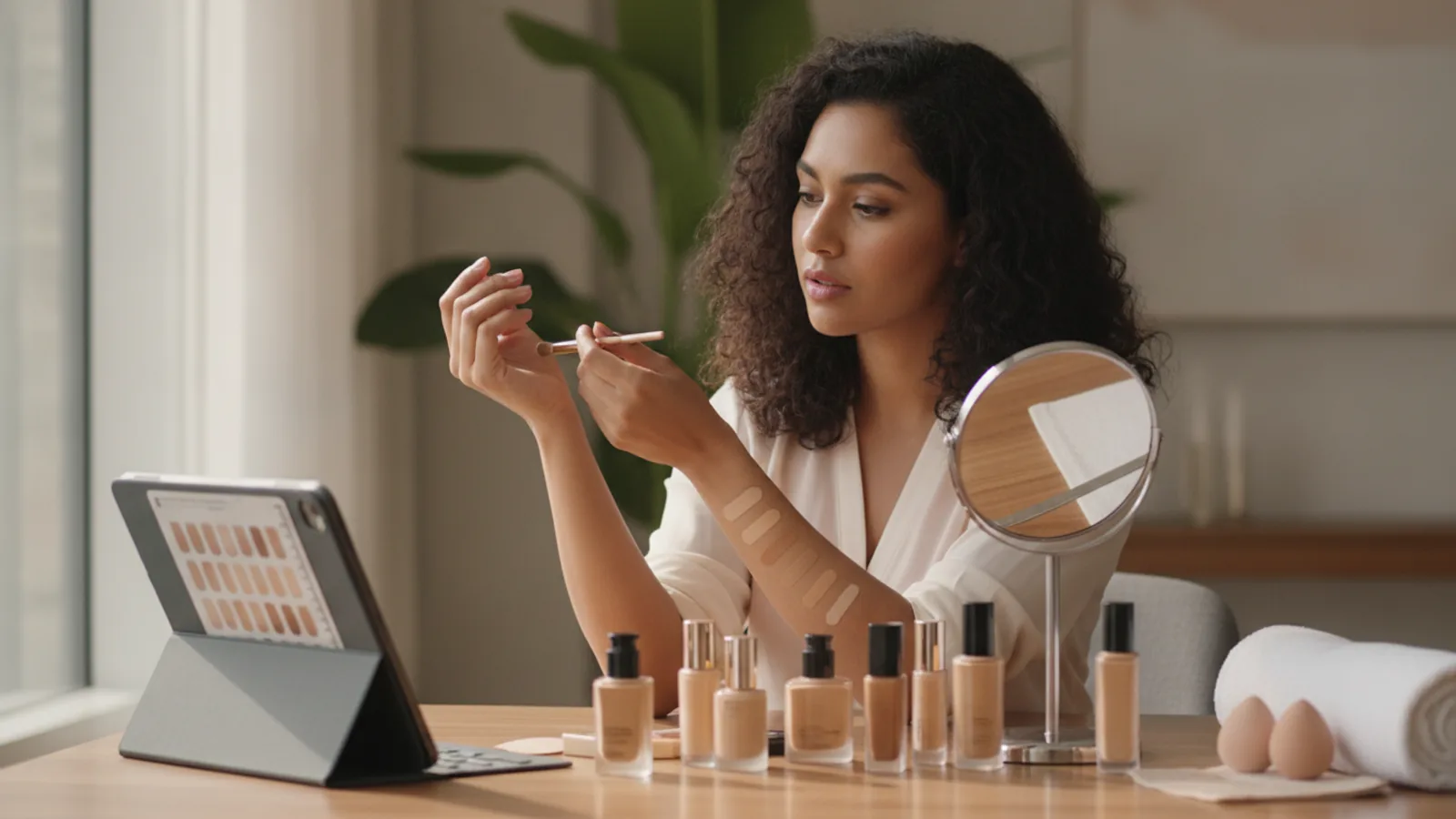
Your base product is the most important choice because it sets the tone for the entire look. Instead of packing a heavy foundation, a separate concealer, and a powder, look for a tinted moisturizer or a skin tint that provides light-to-medium coverage and can be built up where you need it. If you know you will have blemishes or dark circles, pick a formula that can be applied with your fingers or a small sponge to cover those spots without a separate product. Even better, choose a base with a natural finish that works for both daytime and evening events; you can add a bit of highlighter or powder to change the sheen for night. The practical check is to wear the base for a full day, including a meal and some activity, to see if it lasts and does not oxidize. This is important because a base that fades or turns orange will ruin your photos and force you to reapply constantly, making you wish you had brought other products. When you find a base that you trust, you can leave extra correction products at home.
Simplify Color with a Cream That Does Cheeks and Lips
Instead of packing separate blush, bronzer, and lipstick, choose one creamy color product that works for both your cheeks and lips. Look for a formula that is pigmented enough to give a visible flush but blendable enough to sheen out for a natural look. You can apply it directly to your lips and then use a fingertip to tap the same product onto the apples of your cheeks, or use a small brush to dab and blend. This one product can also double as a hint of color on your eyelids for a quick monochromatic look. The practical check is to apply the product at home, wear it for several hours, and see if it stays put without fading or becoming patchy. This matters because multi-use items only save space if they actually perform well, and a poor-quality product will tempt you to pack alternatives. By choosing a reliable cream, you cut three potential products down to one, freeing space for items that cannot multitask, like mascara or eyeliner.
Build a Compact Eye Kit That Covers All Looks
For eyes, you do not need a giant palette with twenty shades. Instead, select a small palette or a set of two or three single shadows that cover all the finishes and tones you use. Choose one matte light shade for the brow bone, one medium matte shade for the crease, and one shimmer shade for the lid, plus a deeper shade that can double as eyeliner when applied with a damp brush. If you prefer a cohesive look, pick shades that blend well together and that you can easily wear from day to night. The practical check is to create three different looks using only those shades, for example a natural day eye, a smoky evening eye, and a simple one-shadow look. This matters because a limited palette forces you to be creative, but it also ensures the shades you chose are truly versatile. If you cannot make distinct looks, you may need to swap one shade for a more versatile neutral. Pack an eyeliner pencil if you like a defined lash line, but consider that a deep shadow can fill that role.
Pick Tools That Do More Than One Task
Brushes and applicators take up valuable space, so choose only those that can handle multiple jobs. A single fluffy brush can blend foundation, apply powder, or sweep on bronzer if you clean it between uses. A small, dense brush can work for concealer, eye shadow, and even lip color. You may also want a beauty sponge that can be used damp for foundation and dry for powder, or with a little water to intensify eye shadow. Before you pack, test each tool to make sure it performs well for all the tasks you intend. The practical check is to simulate your travel routine at home using only the tools you plan to pack, and see if you can achieve the same finish as with your full set. This matters because a tool that struggles with one job will either force you to use your fingers (which is fine) or tempt you to pack extra tools. Choose quality over quantity, as one good brush can replace three mediocre ones, and remember to pack a small, sealable bag to hold dirty tools after use.
Protect Formulas and Pack with a Travel-Friendly Case
Once you have chosen your products, think about how to keep them from leaking, melting, or breaking during transit. Put liquids and creams in a separate, sealed plastic bag, and use tape to secure lids or pump tops. For powders, consider placing a cotton ball or a piece of tissue inside the compact to cushion the product and absorb shock. Place your makeup bag in a spot in your luggage that is not at the bottom and not under heavy items. On the plane, you might carry it in a personal bag to keep it temperature-controlled, as heat or cold can change the texture of some formulas. The practical check is to do a 'shake test' at home: put your packed case in a small bag, shake it for a minute, open it, and see if any product has leaked or broken. This matters because a broken or melted product can ruin your entire bag and your mood. Also, check the closure of every component, and if a press-open compact feels weak, wrap it in a soft cloth.
Quick Reference
| Situation | Action | Why it helps |
|---|---|---|
| You are packing and realize you have three different foundations in your routine. | Keep only the foundation that you wore for more than eight hours without needing touch-ups, and leave the other two at home. | One reliable base will serve you better than three that you are not sure about, and it reduces weight and decision time. |
| You want a lip color and a blush but only have room for one more item. | Choose a cream lip-and-cheek tint that you can apply with your fingers, and skip separate lipstick and blush. | Using one product for two spots cuts your item count and still gives you a coordinated, natural flush. |
| You are about to leave and your makeup bag feels heavy even after choosing fewer products. | Weigh the bag on a kitchen scale or in your hand, then remove any tool or product that has not been used in the past two weeks at home. | If you have not touched it at home, you likely will not need it on the trip, and every ounce counts. |
Common Issues
- Your cream blush looks patchy when you apply it over your base product.: First, test the blush on bare skin and then over your base at home. If it patches, use a stippling brush or your fingertip to dab rather than rub, and set it with a light dusting of translucent powder.
- Your eyeshadow palette has shades that seem too similar after you pack it.: Before you leave, use a cotton swab or your fingertip to swatch each shade on a piece of paper, and if two shades look identical, swap one for a different tone that adds contrast, like a deeper brown or a brighter shimmer.
- Your makeup bag leaks and ruins your clothes or other items during transit.: Always screw lids on tightly and put liquids in a separate sealed plastic bag, and also place a small plastic sheet or a folded tissue under the bag inside your luggage to catch any drip.
Advanced Tips
- Create a 'capsule makeup' routine by setting a limit of seven color products for the entire trip, and design each day's look by layering only those shades.
- Use a clear, resealable pouch for all liquids to speed up security checks, and keep it at the top of your carry-on so you do not have to dig.
- Before a long flight, apply a thin layer of balm or a sheet mask the night before, so your makeup goes on smoothly and you need less product to achieve a fresh look.
Final Checklist
- Have you limited your color products to those that each perform at least two different jobs in your routine?
- Did you wear-test every product for a full day at home and confirm it does not cause irritation or fade unevenly?
- Are all liquids and creams packed in a sealed, clear bag that fits the carry-on rules of the airports you are using?
- Can you create a complete daytime and evening look using only the items you have chosen, without adding extras?
FAQ
How many makeup products should I bring for a one-week trip?
A good target is around eight to fifteen items total, depending on your routine and the activities. This includes your base, cheek-and-lip color, eyeshadow palette, mascara, brow gel, one eyeliner if you use it, and one or two makeup tools. The exact number is less important than making sure each item has a job and that you have tested it.
Can I use a single product as both foundation and concealer?
Yes, if you choose a foundation with medium coverage that you can build up on spots. You can also apply a small amount of the foundation with a flat brush or your fingertip to target blemishes. Some products specifically labeled as 'buildable coverage' work well, but always test at home to see if it hides your dark circles or breakouts without creasing.
What if I have a special event like a wedding during my trip?
If you know you have a dressy occasion, add one extra item that transforms your everyday look, such as a deeper lip color, a shimmer eye topper, or a highlighter. Test that extra item with your regular products to ensure it blends well. You can still keep your total count low because you are not adding a whole new routine.