How To Plan A Skincare And Makeup Order For A Long Day Out
A practical step-by-step guide to how to plan a skincare-and-makeup order for a long day out, including preparation, instructions, common issues, tips, and next steps.
How To Plan A Skincare And Makeup Order For A Long Day Out
This guide walks you through planning a long-lasting skincare and makeup routine for a day out. It covers preparation the night before, a morning routine that locks in moisture, building a long-wear makeup base, packing a compact touch-up kit, and handling midday fixes without breaking your look. You'll find step-by-step instructions, quick reference tips, and advice for common issues like shine and smudging.
Fast Answer
- Start the night before with a hydrating mask and clean pillowcase to give your skin a fresh, well-rested canvas.
- In the morning, layer a light moisturizer and a pore-filling primer to create a smooth, long-wearing base for makeup.
Before You Start
- Wash your face with a gentle cleanser the night before to remove dirt, oil, and makeup, so your pores are clear for the next day.
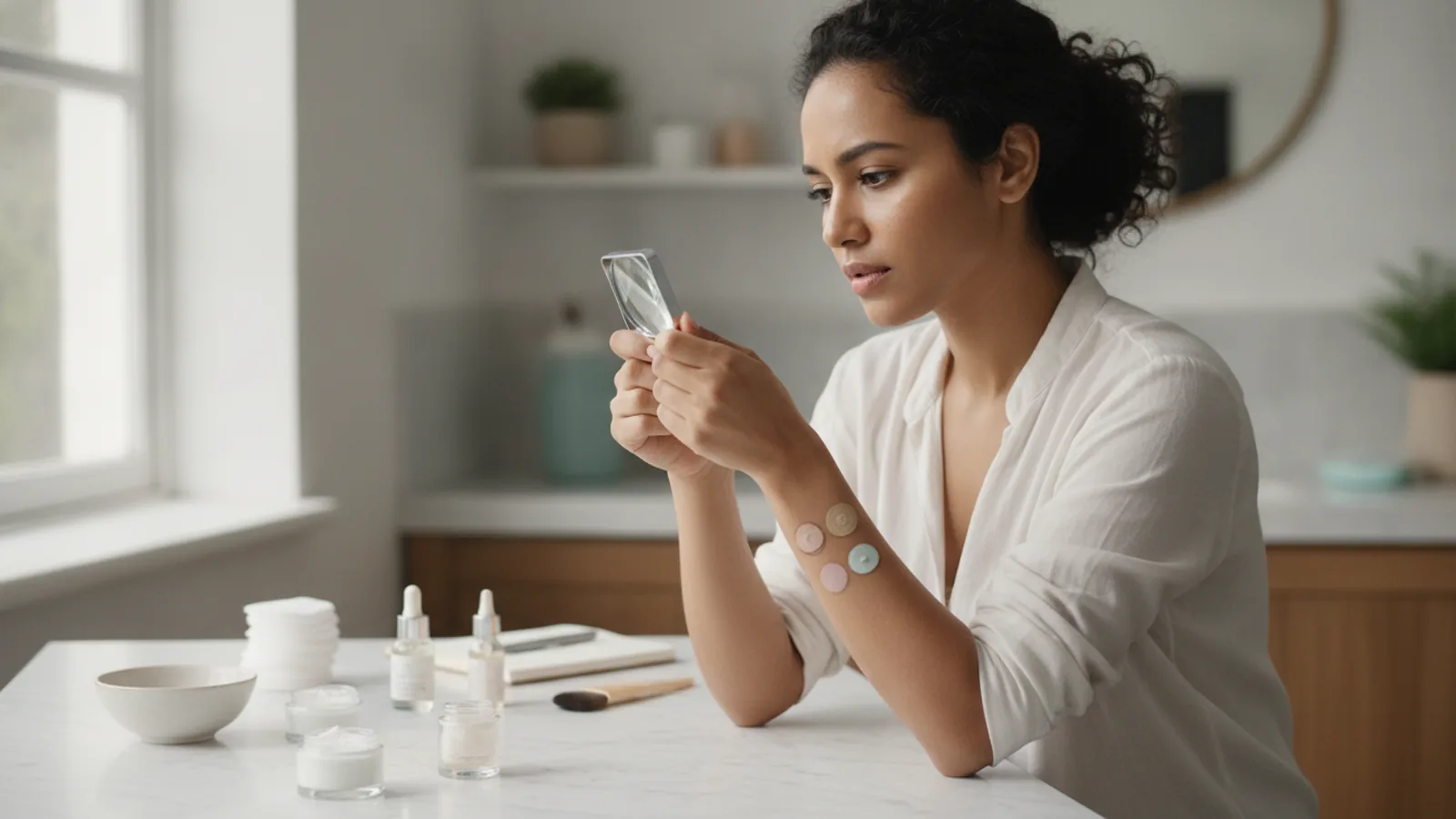
- Apply a hydrating sheet mask for 15-20 minutes the evening before to plump the skin and reduce the chance of dry patches on a long day.
- Lay out your skincare and makeup products the night before, including a light moisturizer, primer, foundation, concealer, and setting spray.
- Wash or swap to a fresh pillowcase before bed to prevent overnight breakouts and keep your skin clear for your long-day plan.
Step-by-Step Instructions
Start with a Clean, Hydrated Face
Begin your morning by washing your face with a gentle, sulfate-free cleanser and lukewarm water. Splash water on your skin, massage the cleanser in circular motions for about one minute, then rinse thoroughly and pat your face dry with a soft towel. Avoid rubbing, as friction can irritate the skin and create redness. After cleansing, apply a light, oil-free moisturizer to damp skin within three minutes to lock in hydration. Wait two to three minutes for the moisturizer to absorb completely before moving on. Check that your face feels comfortable—not tight or greasy—by touching your cheeks and forehead. This step matters because a clean, well-moisturized base helps makeup glide on more evenly and stay in place longer. When your skin is dehydrated, foundation can cake or flake, and excess oil can cause makeup to slide off by mid-afternoon.
Apply a Long-Wear Primer
After your moisturizer has fully absorbed, take a pea-sized amount of a makeup primer suited to your skin type—mattifying for oily skin, hydrating for dry skin, or blurring for large pores. Rub it between your fingertips to warm it, then press it gently onto your T-zone, cheeks, and chin. Let the primer sit for two minutes so it can form an even layer, then check that your face feels smooth and looks slightly blurred, not shiny. Use your fingers to feel for rough patches; if you find any, dab a tiny extra amount on those spots only. Avoid applying too much primer, as a thick layer can cause your foundation to pill or roll off. This step builds a 'grip' that helps foundation adhere and controls oil production, which is especially important when you will be active, eating, or moving around for many hours.
Build a Flawless, Long-Lasting Base
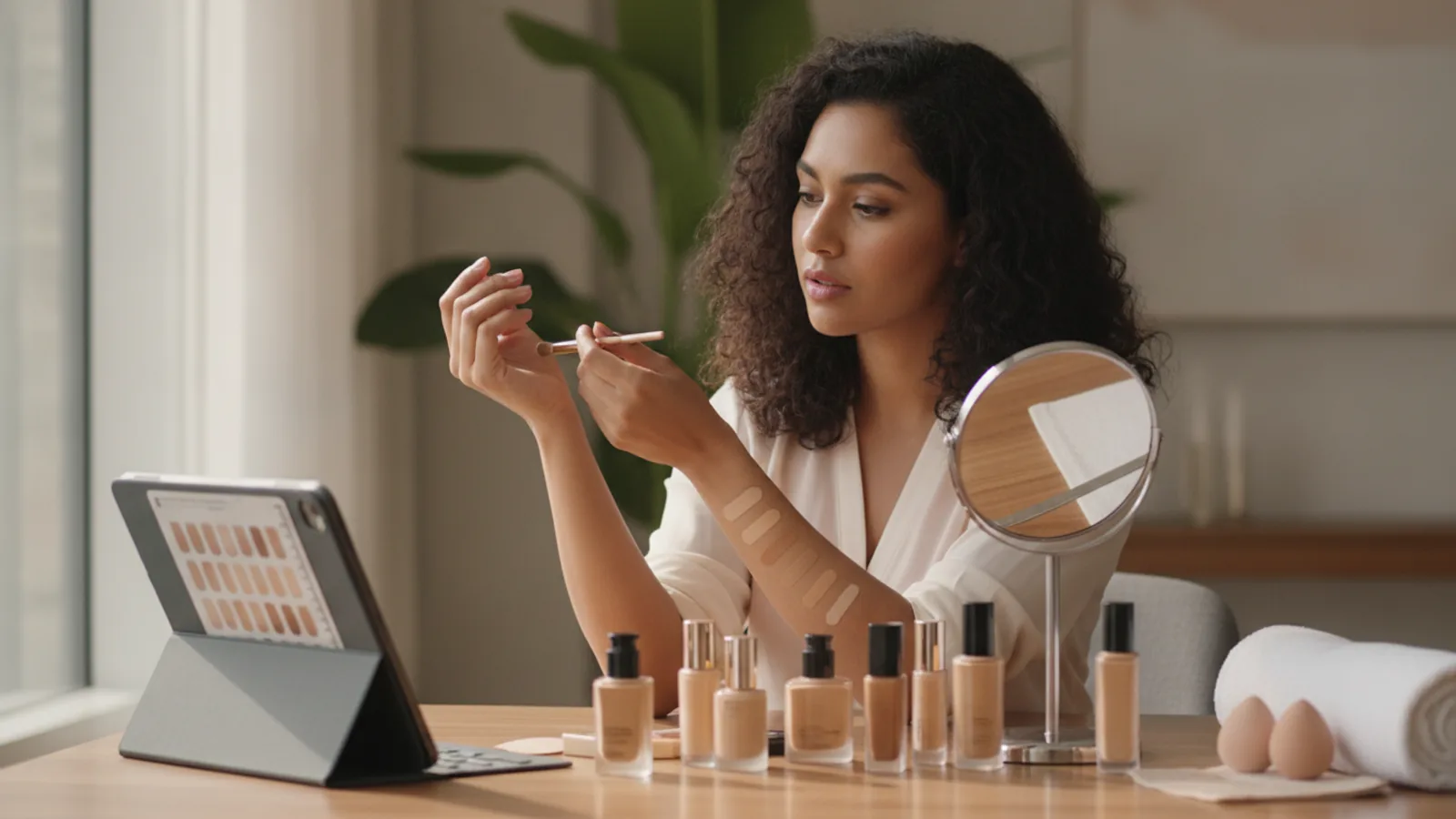
Dab a thin layer of long-wear, buildable foundation onto the center of your face and blend it outward using a damp makeup sponge or a foundation brush. Start with a small amount—about half a pump—and add more only where you need extra coverage, such as around the nose or any blemishes. Use a tapping or stippling motion rather than swiping, as this presses the foundation into the skin and prevents streaks. Blend down your jawline and neck so there is no visible line. Check the coverage in natural light if possible, and if you see any flakes or patches, gently press a bit of moisturizer over those areas instead of adding more foundation. This thin, layered base looks more natural and adheres better than a heavy cake. Once applied, wait five minutes before moving on, then set it with a light dusting of translucent powder using a fluffy brush, focusing on the T-zone.
Set Your Makeup with a Balanced Finish
Hold a setting spray about arm's length from your face, close your eyes, and mist an X and then a T shape over your entire face two or three times. Wait 30 seconds, then check that the spray has dried down without leaving a wet sheen. If you see droplets, gently fan your face with a clean hand to speed up drying, but do not touch your makeup. For oily skin, choose a matte setting spray; for dry skin, pick a dewy one that adds moisture. If you have a powder-based foundation, consider using a setting spray with a fixing agent to lock everything in place. After the spray dries, lightly press your palm over your face without moving your hand to test if your makeup is smudge-proof—if any color transfers, dust on a whisper of extra powder where needed. This setting step bonds the layers together, helping your makeup survive sweat, natural oils, and long hours without fading.
Pack a Compact Touch-Up Kit
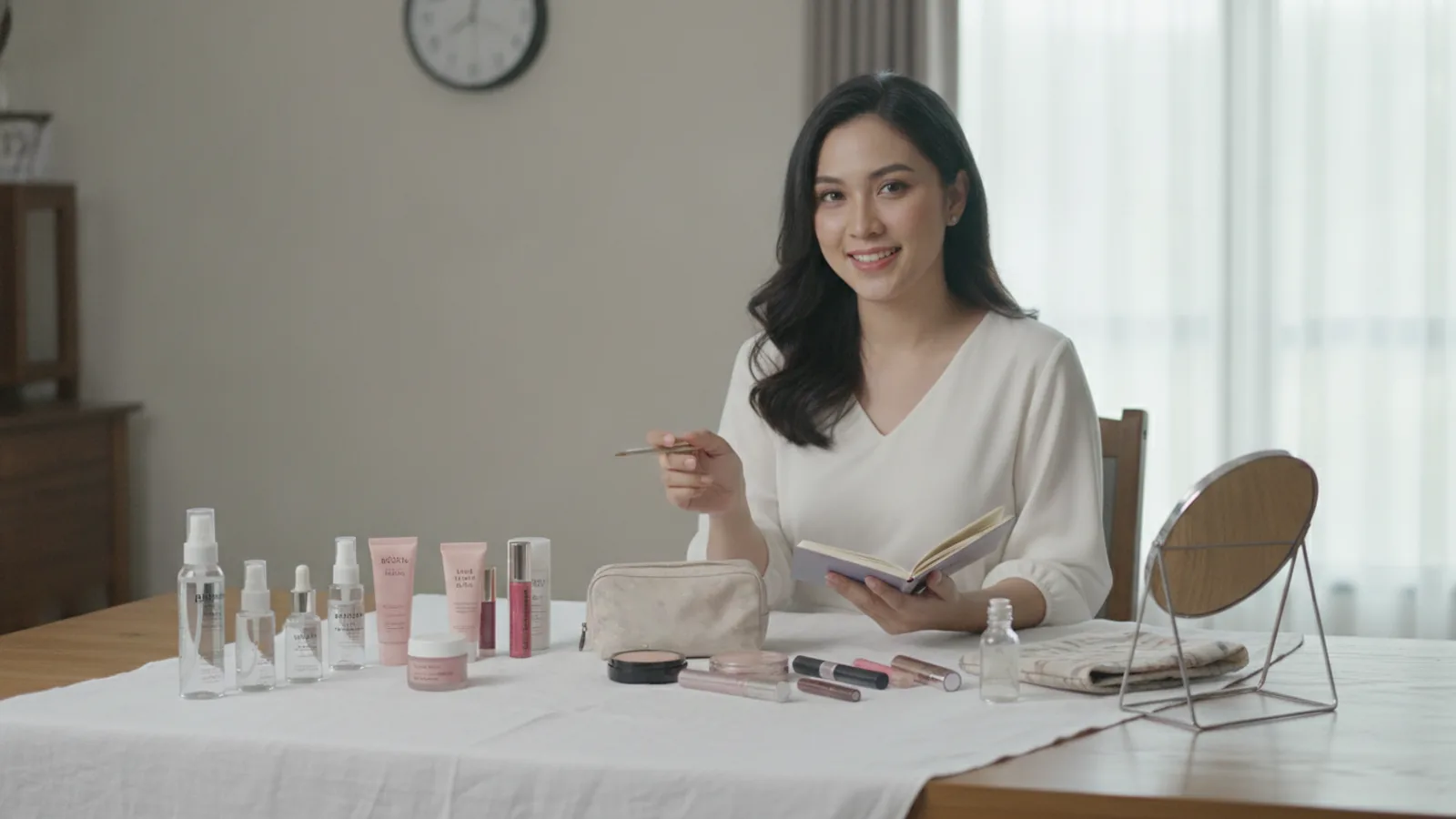
Choose a small pouch and pack only the essentials: a pressed powder compact with a mirror, a lipstick or lip stain, a mini setting spray, oil-blotting papers, and a few cotton swabs. Avoid bringing your entire makeup bag, as too many products can weigh you down and tempt you to over-apply. Before you leave, practice opening each item and using the mirror to see that you can apply them quickly without confusion. Check that all lids are closed securely to prevent spills in your bag. Place a thin layer of powder over the sponge and press it onto oily areas for touch-ups, not sweeping it over your whole face, which can look cakey. Blotting papers are safer than powder for controlling shine on the go because they remove oil without disturbing your makeup. This kit lets you fix minor wear without starting over, saving time when you're out.
Handle Midday Fixes with a Steady Hand
Midway through the day, find a restroom or a quiet spot with good lighting. First, use blotting papers to remove any excess oil from your T-zone, forehead, and chin. After blotting, use a clean cotton swab to gently smooth any visible creases under your eyes or around your mouth—do not rub; just roll the swab over the area. Touch up your lip color with your chosen product, and if you notice your foundation is patchy, dab a tiny bit of concealer on the bare spots using your fingertip, then blend the edges with the same finger. Check the mirror to ensure your makeup looks fresh, not heavy, and that your lines are soft rather than harsh. If you start to look shiny again, lightly dust a bit of powder only on the shiny spots, not your whole face. This repair routine helps you maintain a polished appearance until the evening without needing a full refresh.
Quick Reference
| Situation | Action | Why it helps |
|---|---|---|
| Your T-zone looks shiny and greasy by midday, but the rest of your face still has color. | Press oil-blotting papers onto the shiny areas first to remove excess oil, then dust a thin layer of mattifying powder on your forehead and nose only. | Blotting removes oil without disrupting the makeup underneath, while powder adds a matte finish exactly where needed, avoiding a cakey look on the rest of the face. |
| You notice makeup creases in the fine lines under your eyes after a few hours. | Take a clean cotton swab and gently roll it over the creased areas to break up the cakey deposit, then tap a tiny amount of liquid concealer on those spots with your fingertip. | This smooths the product and refreshes the area without requiring you to remove your entire under-eye makeup or start over. |
| Your lipstick has worn off completely after eating or drinking, leaving no color. | Exfoliate your lips lightly with a fingertip or a napkin if they're dry, then apply a fresh layer of lipstick or a tinted lip balm, and blot with a tissue. | Prepping the surface first helps the new layer stick evenly, and blotting helps it last longer rather than just sitting on top of old product. |
Common Issues
- Your makeup starts to separate or look patchy by early afternoon.: Stop using more powder. Instead, press a damp makeup sponge over the patches to blend them back in, then dust a light amount of setting powder only on the center of your face. If you have a setting spray, mist it lightly to melt the layers back together.
- You get an unexpected breakout or redness from a new product you tried a day before.: Do not pick at it. Apply a spot treatment containing salicylic acid or benzoyl peroxide to the pimple, and use a green color-correcting concealer on the redness. Set it with powder and keep it minimal for the rest of the day.
- Your eye makeup is completely smudged after a long day of outdoor activities.: Salvage the look by wiping the smudged area with a cotton swab dipped in a gentle makeup remover, then use a tiny brush to pat on a bit of concealer. Reapply your eyeliner only on the outer corner of your eye to refresh the shape.
Advanced Tips
- Apply a thin layer of eye primer before any eyeshadow, even if you think you don't need it. It keeps powder from creasing and makes shadows appear more vibrant for longer.
- On a hot or humid day, use a long-wear setting spray that contains a slight hold factor, and avoid touching your face at all. Set your makeup with a final mist after you've done your entire face, including eyes and lips.
- To keep your lips hydrated under a matte lipstick, apply a lip balm before you start your makeup, let it absorb, and then apply your lipstick. This prevents your lips from drying out and causing the color to split.
Final Checklist
- Wash your face with a gentle cleanser and apply moisturizer on damp skin, waiting two minutes for absorption.
- Apply primer and foundation in thin layers, blending thoroughly, and set with powder or spray.
- Pack a small touch-up kit with blotting papers, powder, lipstick, and a mini setting spray.
- Plan one midday check for shine, creases, and smudging, and know your fix for each.
FAQ
What if I don't have a setting spray? Can I still make makeup last?
Yes, but you must set your makeup with powder and avoid touching your face. Use a matte pressed powder over the T-zone and a fluffy brush. Also, choose a long-wear foundation and a primer meant to extend makeup life. If you need a refresh, blot with papers and re-powder only the shiny spots. If you can, buy a travel-sized setting spray or a water-based facial mist that can double as a setting spray—but check the label to make sure it's suitable.
How often should I apply sunscreen under makeup?
Sunscreen should be the last step of your skincare before primer. Apply about a teaspoon for your face and neck. Since most makeup doesn't provide enough protection, reapply sunscreen every two hours if you're outdoors. You can use a powder sunscreen for touch-ups, but it's easiest to bring a sunscreen mist or a facial sunscreen that you can apply over your makeup. Remember to press it in with a sponge rather than rubbing, to avoid moving your makeup.
Can I use heavy moisturizer on a long day if my skin is dry?
Yes, but do it at night, not in the morning before makeup. A heavy moisturizer can be too slippery for makeup to adhere to, causing it to slide or fade quickly. Instead, use a lightweight, oil-free gel moisturizer in the morning to keep skin hydrated without greasiness. At night, use a rich cream or a sleeping mask to deeply nourish your skin, so it wakes up ready for a lighter daytime base.