A Skincare And Makeup Order For A Long Day Out Checklist For First Time Readers
A practical step-by-step guide to a skincare-and-makeup order for a long day out checklist for first-time readers, including preparation, instructions, common issues, tips, and next steps.
A Skincare And Makeup Order For A Long Day Out Checklist For First Time Readers
This guide provides a clear, step-by-step order for applying skincare and makeup for a long day out, designed for first-time readers. It covers preparation, product application sequence, and quick fixes for common issues, ensuring your look lasts from morning to night.
Fast Answer
- Start with a clean, moisturized face, then apply sunscreen, primer, foundation, concealer, setting powder, and setting spray to create a long-lasting base.
- For eye and lip makeup, apply eye primer before eyeshadow and lip liner before lipstick, finishing with a setting spray to lock everything in place.
Before You Start
- Wash your face with a gentle cleanser and pat dry. This removes dirt and oil, allowing products to adhere better.
- Apply a lightweight moisturizer suited to your skin type. Hydrated skin helps makeup apply smoothly and prevents flakiness.
- Wait 5 minutes for moisturizer to absorb, then apply a broad-spectrum sunscreen with at least SPF 30. Sun protection is essential for long days outdoors.
- Gather your tools: makeup sponge or brush, cotton pads, and your chosen products. Having everything ready prevents rushing and ensures even application.
Step-by-Step Instructions
Start with Skincare Base: Cleanse, Moisturize, and Protect
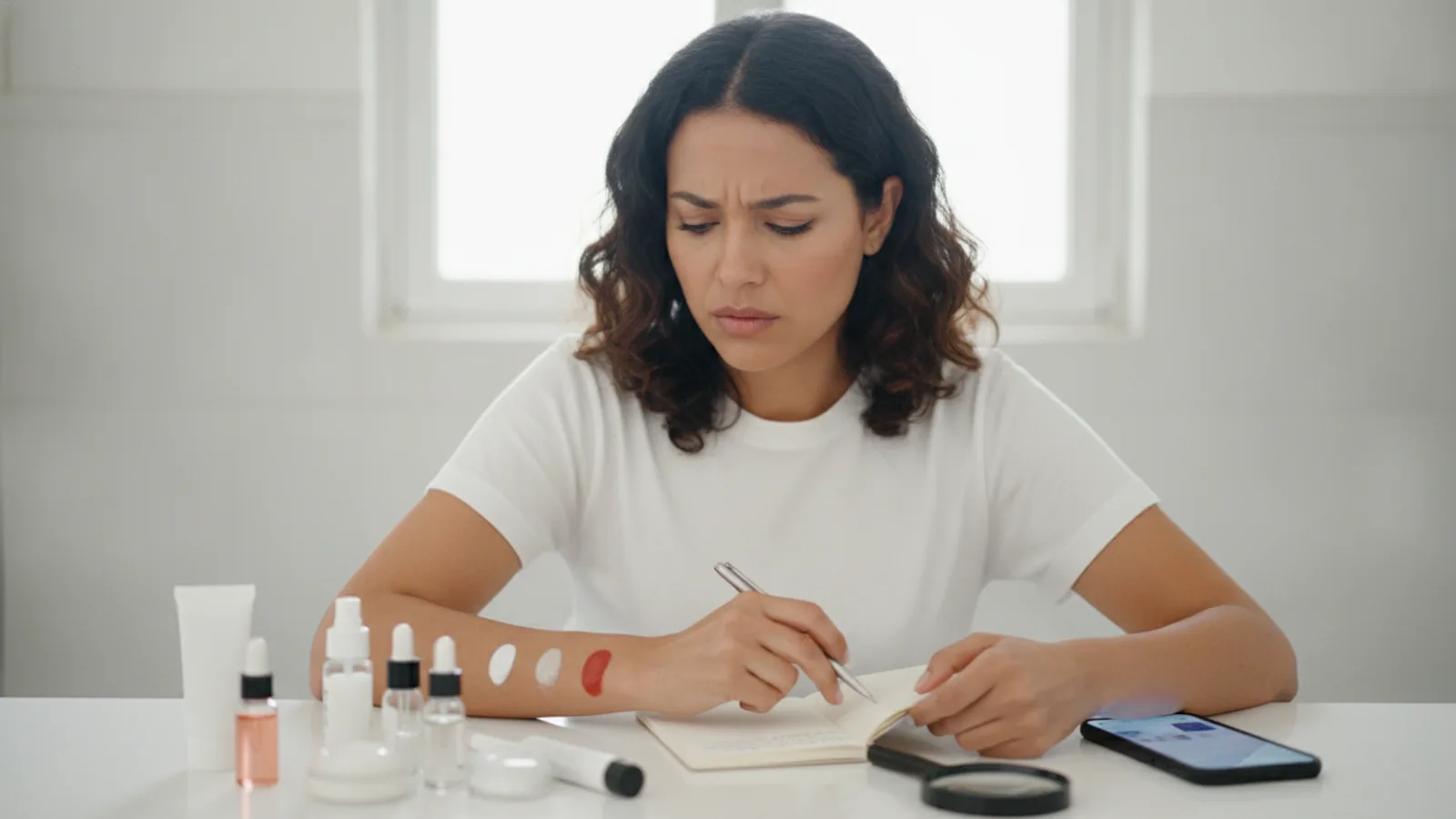
Begin your routine by gently cleansing your face with a mild cleanser to remove overnight oil and impurities. Pat your skin dry with a soft towel, then apply a lightweight, oil-free moisturizer evenly, giving it a minute to sink in. Next, apply a broad-spectrum sunscreen with at least SPF 30 to every exposed area, including your neck. This step is non-negotiable for a long day outdoors because unprotected sun exposure leads to premature aging and increases skin cancer risk. Choose a sunscreen labeled 'non-comedogenic' to avoid clogging pores, and if you have oily skin, look for a matte-finish formula. Spread it thinly and wait two minutes for it to form a protective film. This ensures that subsequent makeup layers have a smooth, hydrated canvas that stays put for hours.
Apply a Primer to Smooth Your Canvas
Once your sunscreen has dried, dispense a pea-sized amount of face primer onto your fingertips, focusing on your T-zone, cheeks, and any areas with visible pores. Rub it gently in circular motions, but avoid over-rubbing, as this can cause pilling. A silicone-based primer blurs imperfections and fills in fine lines, creating an even surface for foundation. This step is crucial because a good primer acts like double-sided tape for makeup: it grips foundation and prevents it from sliding off during the day. If you have dry patches, use a hydrating primer there, and if you have oily skin, choose an oil-control formula. Let the primer settle for a minute before moving on, so its polymers can bond with your skin.
Build an Even Base with Foundation and Concealer
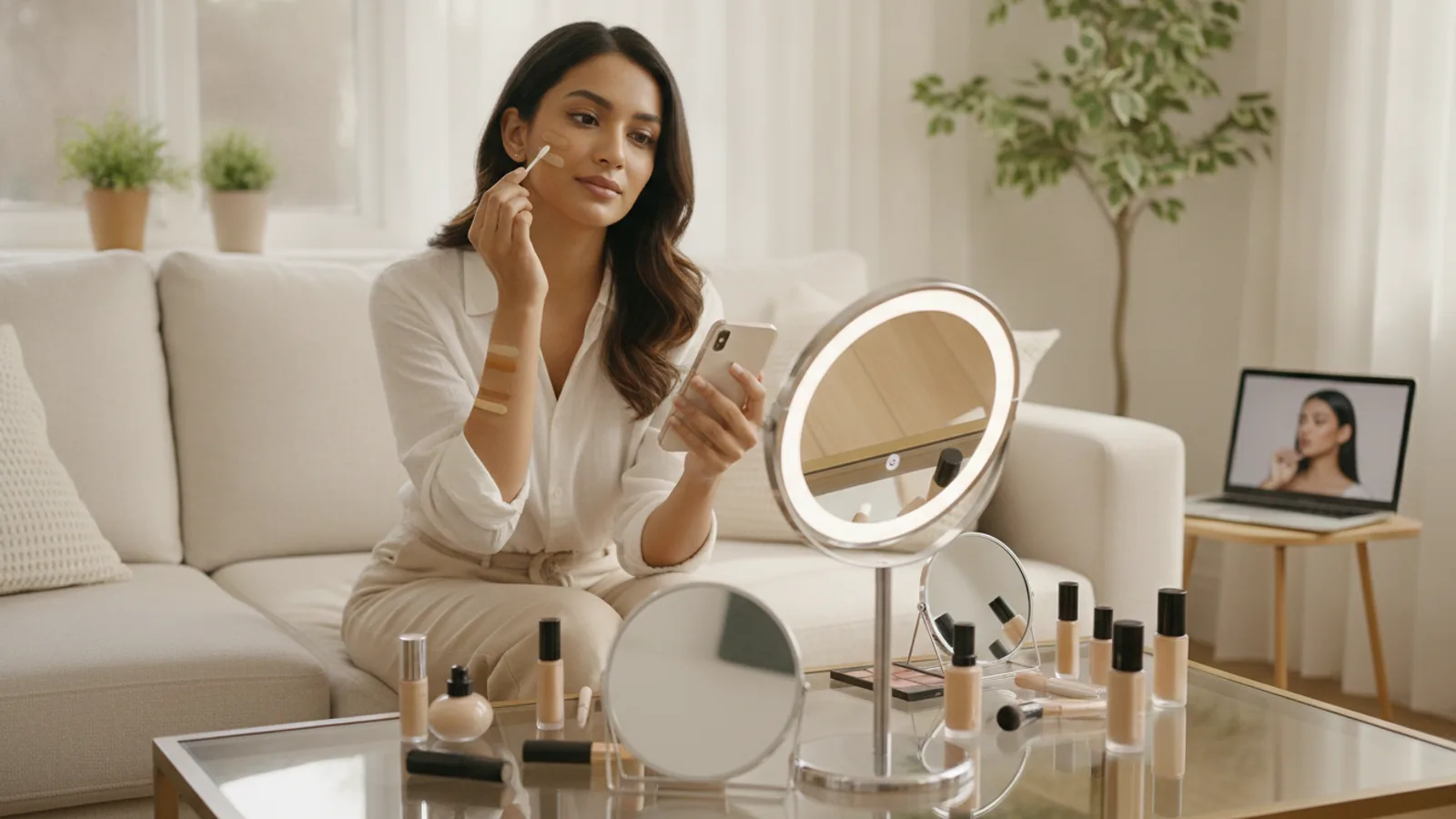
Now, shake or pump a small amount of liquid foundation onto the back of your hand. Use a damp makeup sponge to dot it to your forehead, cheeks, nose, and chin, then blend outward in stippling motions across your face and slightly down your neck to avoid a visible line. Start with a thin layer, adding more only where you need extra coverage. After foundation, apply a creamy concealer to any remaining blemishes, dark circles, or redness using a small brush or your ring finger, gently patting it onto the spot. Do not rub. This technique ensures sheer, even coverage while building flexibility for long wear. The key is to blend edges thoroughly so that foundation and concealer become invisible on your skin.
Set Your Base with Translucent Powder
Take a fluffy powder brush, dip it lightly into a translucent setting powder, and tap off the excess. Press the brush onto your T-zone (forehead, nose, chin) and around your mouth, using a rolling motion to press powder into the skin. Avoid sweeping, as that disturbs your foundation. For the rest of your face, apply a feather-light layer directly from the brush. This step sets your liquid and cream products, preventing them from creasing or sliding into fine lines as you go about your day. The powder absorbs excess oil and creates a matte finish that reduces shine, but too much can make you look powdery, so keep it light. Set only areas that need extra oil control, and leave dry areas powder-free for a natural finish.
Define Your Eyes and Brows for a Lasting Look
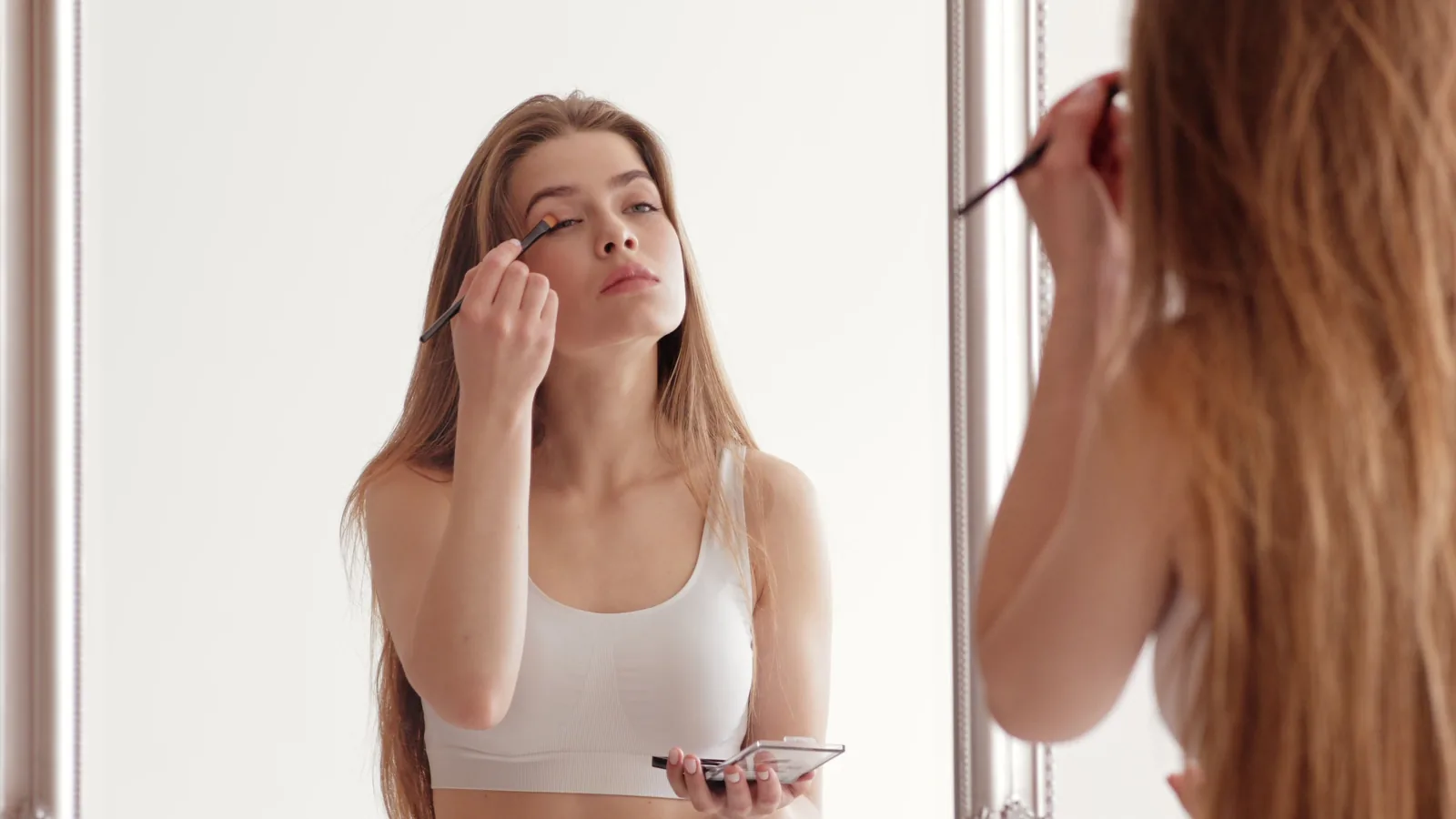
Use a fine brow pencil to fill in sparse areas with short, hair-like strokes, then brush through with a spoolie to soften the color. Next, apply an eye primer all over your eyelids and blend it to the brow bone, which prevents creasing and intensifies eyeshadow. With a flat brush, pat a neutral eyeshadow shade onto the lid, then blend a slightly darker shade into the crease using a fluffy blending brush. For liner, use a long-wear liquid or gel line, drawing a thin line as close to your lashes as possible. Finish with two coats of volumizing mascara, wiggling the wand from base to tip. Each product is chosen for longevity because eye makeup is prone to smudging, so you want it to stay put through sweat and tears.
Add Lip Color and Finish with Setting Spray
First, exfoliate your lips gently with a clean, damp washcloth or lip scrub, then apply a thin layer of lip balm. Outline your lips with a lipliner a shade deeper than your lipstick, drawing just inside the natural lip line to prevent feathering. Fill in your lips with the lipstick using a brush or directly from the tube, starting at the center and working outward. Blot with a tissue, then apply a light dusting of translucent powder over the lips to set the color. Finally, hold a setting spray about 20 centimeters from your face, close your eyes, and mist in an 'X' and 'T' motion. This step locks every layer in place, melting the powders into your skin for a seamless finish that lasts through meals and changing weather.
Quick Reference
| Situation | Action | Why it helps |
|---|---|---|
| You need to touch up after a few hours but only have a small pouch? | Carry a blotting paper or napkin, a mini translucent powder compact, and the same lipstick you applied. Gently blot the T-zone, dust powder over any shine, and reapply lipstick only to the center of your lips, then press together. | This refreshes oil without piling on makeup, keeps the look natural, and prevents a heavy or caked appearance. |
| You notice your foundation is starting to fade around your nose and chin. | Use a clean sponge or your ring finger to press a tiny amount of cream concealer onto the faded spots, then blend outward gently. Follow with a light dab of setting powder and a spritz of setting spray if you have it. | These areas move and rub against each other, so targeted touch-ups prevent a patchy look without disturbing the rest of your makeup. |
| Your eyes have started to smudge by mid-afternoon. | Take a cotton swab dipped in a small amount of makeup remover or micellar water and gently clean under your lower lash line, then apply a fresh thin line of eyeliner and a light coat of mascara if needed. | This corrects smudging precisely and refreshes the eye area without requiring a full removal, helping your look stay crisp all day. |
Common Issues
- Foundation looks cakey or sits in patches.: Stop applying more product. Use a damp sponge to press in a facial mist or a tiny amount of moisturizer to dissolve the cakey bits, then blend gently. Next time, use less foundation and apply with a damp sponge in thin layers, and make sure your skin is well exfoliated and hydrated before you begin.
- Makeup slides off by afternoon, especially on oily skin.: Use a blotting paper to absorb oil without adding product, then press a light layer of translucent powder over the T-zone with a powder puff. Reapply setting spray. For a longer-term fix, add an oil-control primer to your routine and consider a matte-finish foundation.
- Lipstick bleeds into fine lines around the mouth.: Use a lipliner to create a barrier around your lips, filling in the entire lip area before applying lipstick. Then apply lipstick, blot, and set with a tissue and translucent powder. Another trick is to apply a thin layer of foundation around your lips to create a barrier, but the lipliner is most effective.
Advanced Tips
- Use the 'three-finger rule' when applying foundation or concealer: press a fingertip to the inner cheek, outer cheek, and forehead, then blend from those points evenly to the rest of the face for perfect coverage ratio.
- For an all-day fresh look, carry a small spray bottle filled with facial mist. Spritz your face before and after setting powder to meld the layers into a second-skin finish.
- To make your eyeshadow last without a separate primer, apply a thin layer of concealer over your eyelids and dust with translucent powder before applying color.
Final Checklist
- Cleanse, moisturize, and apply sunscreen, letting each product absorb for at least one minute.
- Apply primer, followed by foundation, concealer, and setting powder using a sponge or brush.
- Define brows, apply eye primer, eyeshadow, liner, and mascara, and finish with a long-wear lipstick.
- Complete the look with setting spray, and carry blotting paper and powder for quick touch-ups.
FAQ
How long should I wait between sunscreen and primer?
Wait at least two minutes for the sunscreen to dry and form a stable layer. This prevents the primer from breaking down the sunscreen's protective film, ensuring you get full SPF coverage and a smooth base. If you apply makeup immediately, you may reduce the sun protection.
Can I skip primer if my moisturizer is hydrating?
Primer and moisturizer serve different purposes. While moisturizer adds hydration, primer creates a tacky or smooth surface that grips makeup, improves staying power, and blurs pores. Skipping primer may result in shorter wear, especially during a long day. If you have very dry skin, you might use a hydrating primer or all-in-one product.
What's the best way to set makeup without looking powdery?
Use a light hand. Load a fluffy brush with powder, tap off excess, and press it onto the skin using a rolling motion, focusing on areas that get shiny. Avoid sweeping. After dusting, spritz a facial mist at arm's length to melt any powder into the skin. This gives a natural satin finish and kicks off the powdery look.