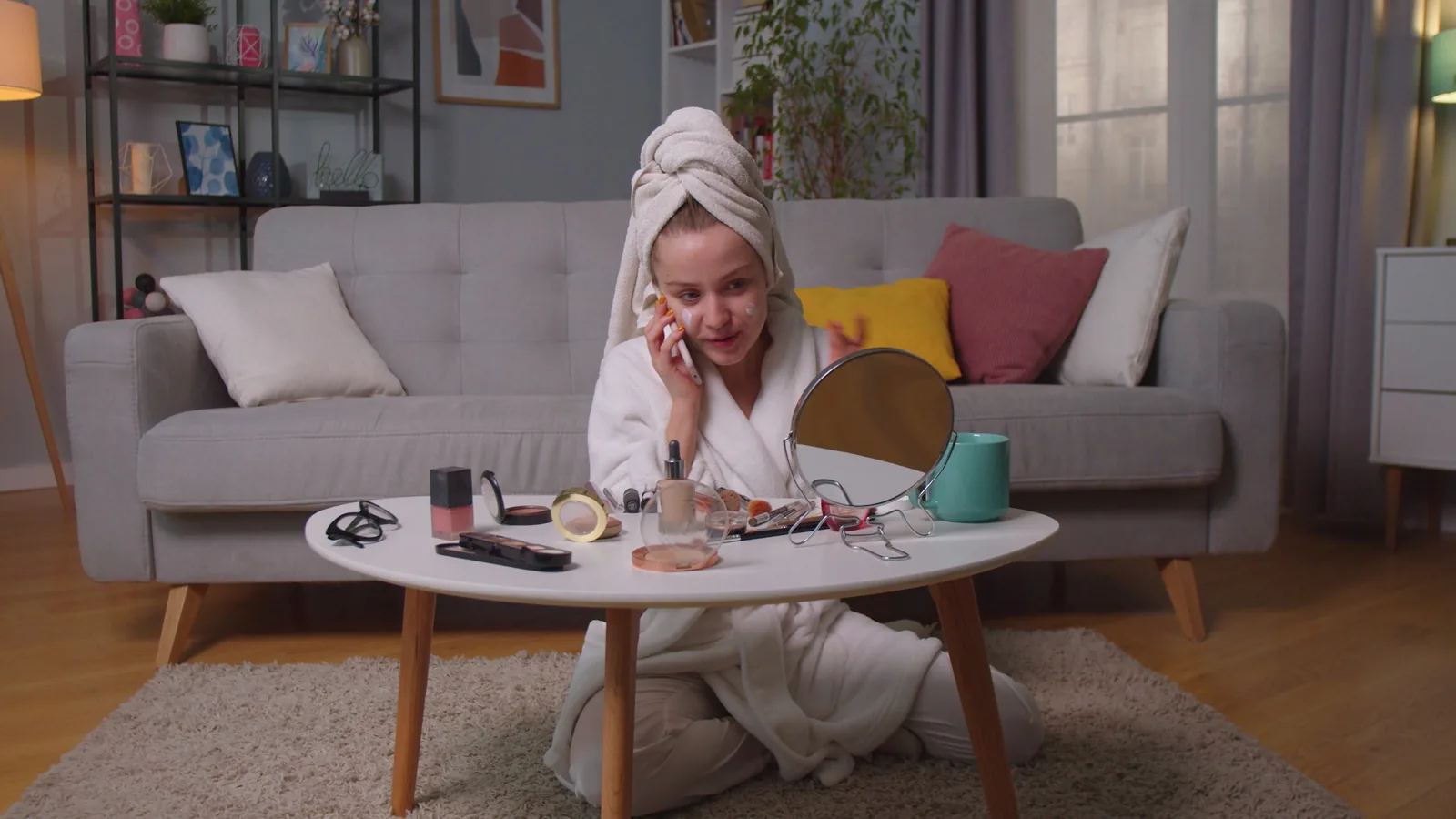
How To Choose A Travel Makeup Bag With Fewer Duplicate Products
A practical step-by-step guide to how to choose a travel makeup bag with fewer duplicate products, including preparation, instructions, common issues, tips, and next steps.
How To Choose A Travel Makeup Bag With Fewer Duplicate Products
Choosing a travel makeup bag with fewer duplicate products starts with a clear inventory of what you actually use daily, then selecting a bag that fits that exact set without inviting extras. Most travel bags fail because people buy them before auditing their routine, so they overpack duplicates like multiple eyeliners or redundant primers. This guide walks you through a five-step process: list your essentials, measure them, choose a bag with the right structure and compartments, pack by function rather than by category, and test your finished kit at home. You will learn to avoid common mistakes such as choosing a bag that is too deep for your smallest items or forgetting to consider how you will access products mid-trip. By the end, you will have a streamlined kit that saves space, reduces weight, and keeps your routine efficient, so you spend less time rummaging and more time enjoying your travels.
Fast Answer
- Start by emptying your current makeup bag and categorizing every item, then ask which products you use at least three times a week; only those belong in your travel kit.
- Select a bag that has clear compartments or adjustable dividers, and choose one that lays flat so you can see everything at once, preventing duplicates from hiding in corners.
Before You Start
- Gather all the makeup and brushes you think you might take on a trip, and place them on a clean, flat surface so you can see each item clearly.
- Have a ruler or measuring tape on hand to measure the length, width, and height of your largest product, such as a foundation bottle or a large powder compact.
- Think about your typical travel scenario, whether it is a weekend city break or a two-week beach holiday, because that changes how many skincare types you need.
- Write a list of your daily makeup steps in order, from base to lips, and mark which products you actually use without fail every day.
Step-by-Step Instructions
Audit Every Makeup Item You Own
Take out all your makeup, brushes, and tools from every drawer and case, and place them on a large towel or table. Go through each item one by one and ask: did I use this in the last month? If not, set it aside in a 'maybe' pile. For items you do use, note whether it is a daily essential, a weekly occasional, or a special-occasion product. This audit reveals what you actually rely on, which is the core of avoiding duplicates. For example, you might discover you own three black eyeliners but only ever reach for one. After sorting, count how many items you use daily; that number becomes your target for the travel bag. This step is critical because without a clear inventory, you will likely pack duplicates without realizing it. Check your 'maybe' pile again and be brutally honest: if you cannot remember the last time you used it, leave it behind.
Measure Your Largest and Bulkiest Products
Using a ruler or measuring tape, measure the height, width, and depth of your largest product, which might be a foundation bottle, a setting spray, or a brush roll. Also measure the length of your longest brush handle because brushes often compromise bag closures. Write these numbers down. Now, think about how you plan to pack: if you lay items flat, you need a bag with a flat base at least as wide as your longest product. If you prefer standing bottles upright, you need a bag with enough height to accommodate them without squashing. Measure the diameter of your largest compact to ensure it fits into any slot or pocket. This measurement step prevents the disappointment of buying a bag that looks right but cannot close properly. Check that the bag's interior depth is at least an inch more than your thickest item to allow for bulging. Remember to measure the bag's interior, not its exterior, because padding reduces usable space.
Select a Bag with Adjustable Compartments
Look for a travel makeup bag that has adjustable dividers, removable pouches, or open space rather than many fixed tiny slots. Fixed slots are often too small for bulky brushes or too large for lipsticks, forcing you to carry extra fillers. A bag with a large main compartment and a few zippered mesh pockets gives you flexibility: store brushes in a separate roll or use the mesh for small items like eyebrow pencils. If you travel frequently, consider a bag that opens flat like a book so you can see every item at a glance. Avoid bags with too many secret pockets because they encourage you to stuff things and forget them. Instead, choose a bag where each item has a designated but adjustable spot. Before you commit, check that the bag’s zippers glide smoothly and that the material is wipeable, because travel always involves spills. Also consider the bag's shape when full: a rectangular bag packs more efficiently than a rounded one.
Group Products by Function, Not by Category
When you start packing, think about how you use products together rather than grouping all face products together. For example, create a 'base' group containing foundation, concealer, primer, and setting spray, because you use them in sequence. Another group could be 'eyes and brows' with mascara, eyeliner, brow pencil, and an eyeshadow palette. Grouping by function helps you realize where you have overlap: do you really need both a color corrector and a full-coverage concealer for the same job? By keeping function groups together, you can quickly see if you are carrying two products that do the same thing, such as a cream blush and a powder blush both used for cheeks. This grouping also makes packing and unpacking faster because you can grab one 'function pouch' for your morning routine. As you group, set a target of one product per function, unless you have a very good reason for a backup.
Apply the 'One-Product Test' to Eliminate Duplicates
For every category in your makeup routine, such as lipstick, eyeshadow, or blush, ask: can I achieve my desired look with just one product? If you need a second, explain specifically when you would use it. For instance, you might keep one neutral lipstick for daytime and one bold lipstick for evening outings, but you do not need three shades of nude. Similarly, you may choose an eyeshadow palette that covers both matte and shimmer finishes for the day and night, replacing two separate palettes. This test forces you to think about each product's unique purpose and value. If you cannot think of a real scenario, leave it behind. As you apply this test, also check for formula duplicates: a tinted moisturizer and a foundation with SPF might both serve as your base, so pick only one. Remember that you can also use multi-purpose products like a cream product for cheeks and lips. The goal is to reduce your daily items to no more than ten.
Test Pack Your Chosen Bag at Home
Before your trip, place all your selected items into the bag exactly as you plan to pack them. Close the bag and shake it gently to see if anything moves excessively or if the zipper strains. Open and close the bag several times to ensure that the closure works smoothly with the contents. Then, carry the bag around your home for a few hours to see if it is comfortable to handle and if the weight feels balanced. Pay attention to whether you can easily find items without unpacking everything; if you struggle, adjust the arrangement. Also, check if the bag fits into your carry-on or suitcase without wasting space. If the bag is too full, remove items that you did not use during a 'test' week at home. Make a list of items you forgot to include, and then repack. This simulation helps you avoid surprises at the airport or hotel.
Quick Reference
| Situation | Action | Why it helps |
|---|---|---|
| You have three different black eyeliners and you rarely wear eyeliner. | Leave all three at home and pack a neutral brown eyeshadow that you can use to create a soft line with an angled brush. | This reduces weight and forces you to rely on a single product that serves multiple purposes, eliminating the temptation to carry duplicates. |
| You always pack a full-size foundation bottle that takes up a third of your bag. | Transfer a small amount of foundation into a small, leak-proof travel jar and label it with the product name and shade. | A small container holds enough for a typical trip and frees space for other essentials, making the bag more efficient. |
| Your bag has many small pockets but your products are bulky and do not fit neatly. | Choose a bag with a large open compartment and use one or two small pouches to organize smaller items like lipsticks and brushes. | Open space adapts to the shapes of your products, while pouches prevent small items from getting lost, so you avoid overpacking. |
Common Issues
- You find you have packed two similar blushes because you forgot you already had one in a different pocket.: Before packing, lay out all items on a flat surface and cross-check each category against a written list, removing any duplicate that is not essential for your planned activities.
- Your bag looks compact but you cannot fit everything because you underestimated the size of your brush handles.: Measure the longest brush and compare it with the bag's interior height when closed; if it does not fit, switch to a brush roll or a bag with a longer dimension.
- You often find that you have to repack at the airport because the bag is overstuffed and will not close properly.: Use the 'one-function' rule to reduce items, and leave at least 10% of the bag’s volume empty for flexibility; test the closure before departing.
Advanced Tips
- Create a 'travel makeup mat' by sewing two layers of fabric together to keep brushes and small items tidy, but that is a DIY project; instead, use a flat cosmetics roll that opens like a brush holder.
- For a minimalist kit, use a technique called 'capsule makeup' by selecting one versatile palette that includes eyeshadow, blush, and highlighter shades, so you carry less.
- Invest in a bag with a removable inner tray that you can lift out in the hotel, making it easier to see everything and reducing the urge to bring extra.
Final Checklist
- All products in your travel bag have been used at least once in the past month, and each serves a unique function.
- Your bag closes easily without straining, and the zippers run smoothly when the bag is completely packed.
- You can see every item at once when the bag is open, or you have clear pouches that help you find things quickly.
- You have tested the packed bag by carrying it around for a few hours and you can access items without unpacking everything.
FAQ
How do I know which items are truly essential for a short trip?
Focus on products that complete your basic daily face, such as a base, mascara, and a lip product. For a short trip of a few days, you do not need eye shadow or highlighter unless you have special events. Think about the five-minute face you would wear to work or school and pack only those items. If you would not use a product at home on a typical day, leave it behind. Also, consider that you can use your fingers for makeup application, so you might not need many brushes.
What is the best way to handle liquids like foundation and setting spray?
Decant a small amount of each liquid into travel-sized containers that meet your airline's carry-on rules, which you must check in your own regulations. Do not carry full-size bottles unless you are sure they fit in your allowed liquid bag. Use containers that are clearly labeled, and always close them tightly, preferably placing them in a zip-top bag for extra protection. For very viscous products like foundation, use a jar or a tube with a flip cap to avoid leaks.
How can I avoid packing too many brushes for a trip?
Limit yourself to five or fewer brushes: a foundation brush, a powder brush, an eye shadow brush, a crease brush, and a brow/lash comb. Instead of separate brushes for each eye shadow, use one fluffy brush for all shades. Consider using your fingers for cream products. If you must bring more, roll them in a thin cloth to save space, or choose a bag with a built-in brush compartment that does not take extra room.