Common Mistakes When Planning A Simple Everyday Makeup Routine For Sensitive Skin
A practical step-by-step guide to common mistakes when planning a simple everyday makeup routine for sensitive skin, including preparation, instructions, common issues, tips, and next steps.
Common Mistakes When Planning A Simple Everyday Makeup Routine For Sensitive Skin
Planning a simple everyday makeup routine for sensitive skin requires careful thought about product choices, application order, and hygiene. Many people overlook how ingredients, tools, and even water temperature can trigger irritation. This guide walks you through common mistakes, from skipping patch tests to using too many products, and offers practical steps to build a gentle, effective routine that respects your skin’s barrier.
Fast Answer
- Start with a minimal routine: cleanse, moisturize, and use a broad-spectrum mineral sunscreen before any makeup. Choose fragrance-free and hypoallergenic products labeled for sensitive skin.
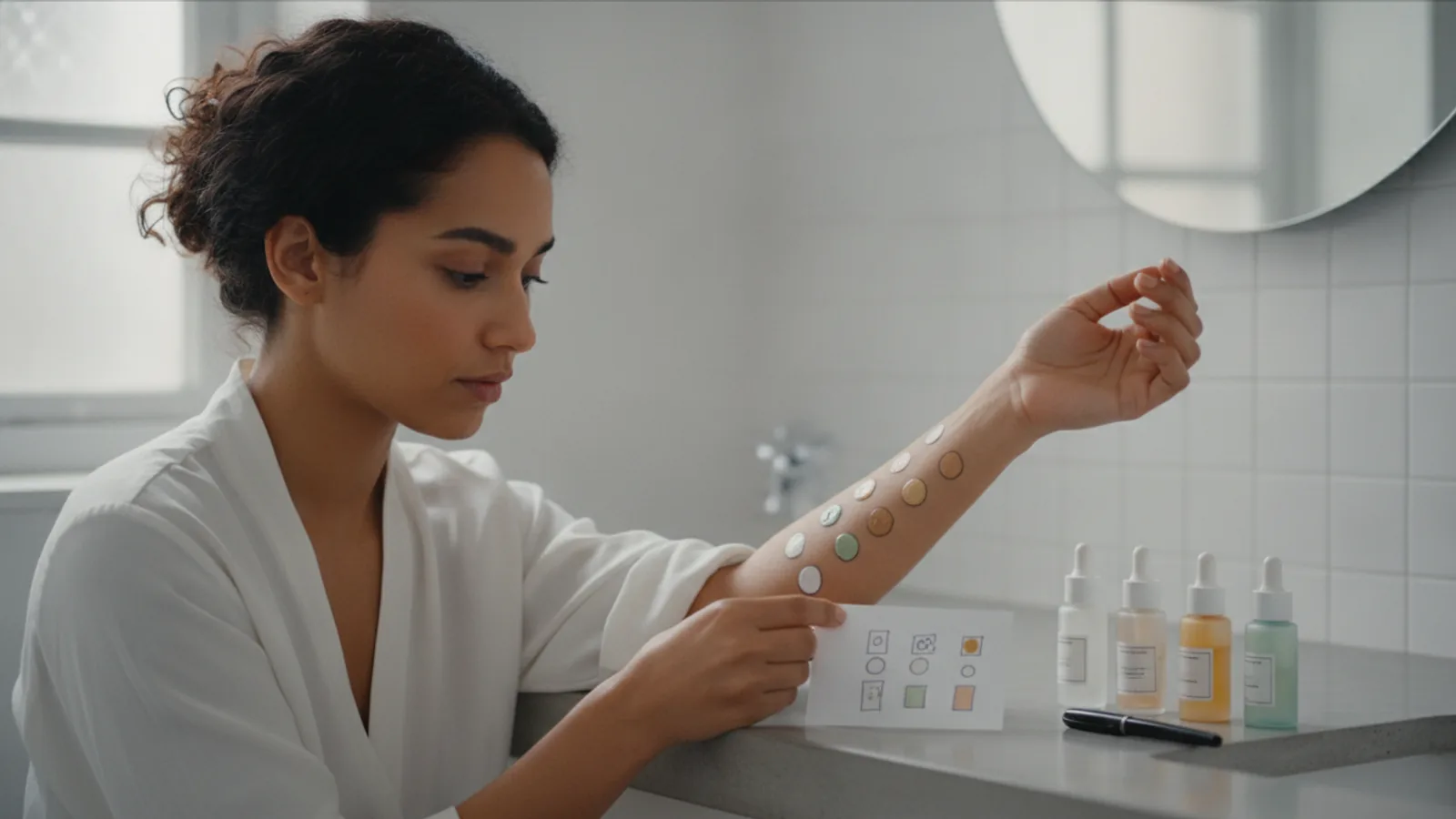
- Always patch test a new product on your inner arm for 48 hours before applying it to your face. Introduce only one new product at a time to identify any triggers.
Before You Start
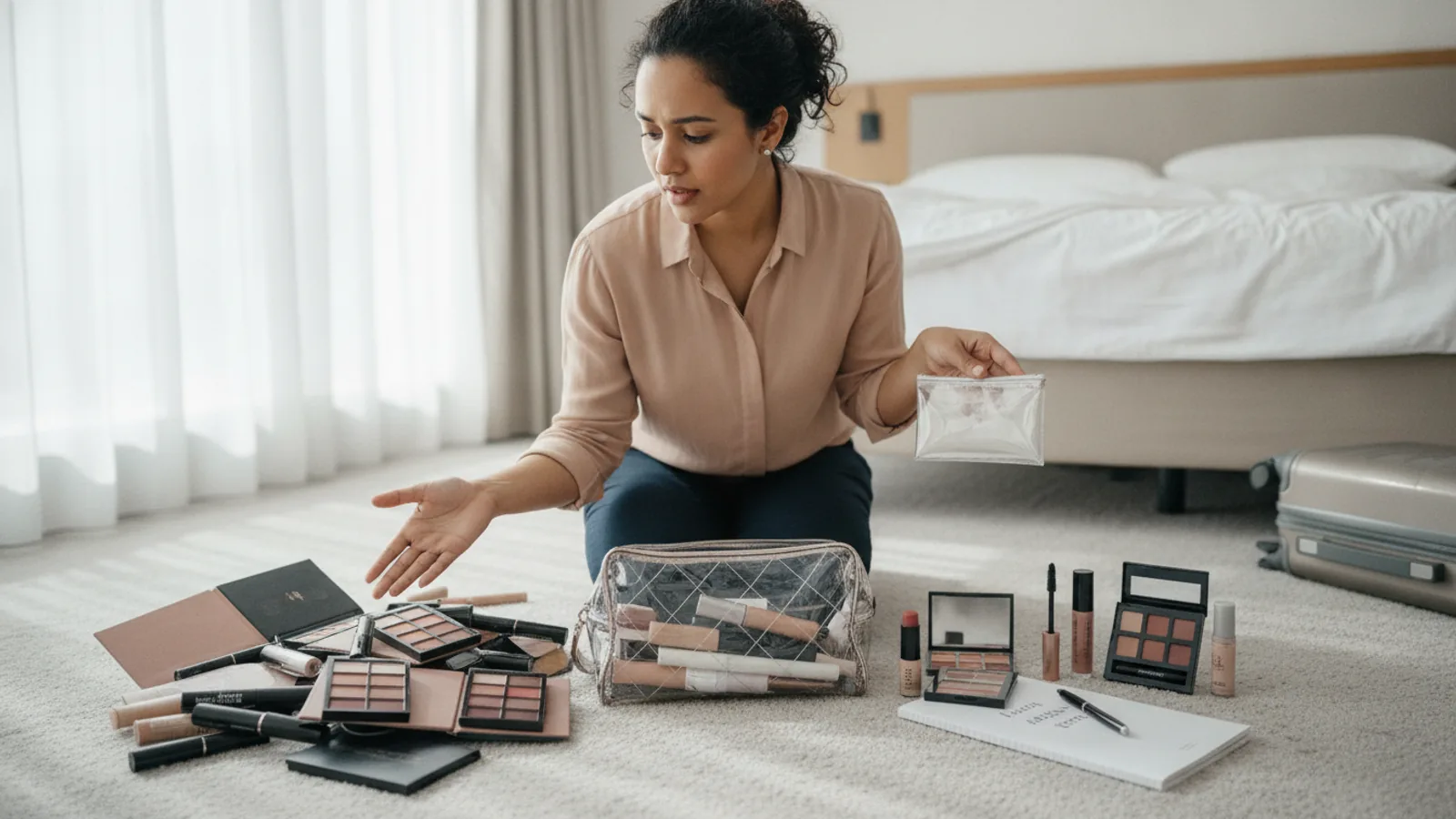
- Gather a gentle, fragrance-free cleanser, a basic moisturizer, a mineral-based sunscreen, and a few makeup items like a tinted moisturizer or a mineral foundation. Avoid products with alcohol, denatured alcohol, or essential oils.
- Wash your hands thoroughly before touching your face or makeup. Clean your makeup brushes and sponges with a mild, fragrance-free soap, and let them dry completely.
- Check the ingredient list on each product for common irritants such as parabens, sulfates, phthalates, and synthetic dyes. Look for labels that say 'non-comedogenic' and 'fragrance-free'.
- Set up a clean, well-lit space with a mirror. Have a soft, clean towel and lukewarm water ready. Ensure your environment is dry and dust-free to prevent product contamination.
Step-by-Step Instructions
Step 1: Cleanse Gently with Lukewarm Water
Start by wetting your face with lukewarm water, not hot water. Hot water strips natural oils and can exacerbate sensitivity. Apply a small amount of a gentle, fragrance-free cleanser to your fingertips, and massage it onto your face in small, circular motions for about 30 seconds. Avoid scrubbing or using any rough cloth. Rinse thoroughly with lukewarm water, making sure no cleanser residue remains. Pat your face dry with a clean, soft towel, but do not rub. Rubbing can cause microtears in the skin, which can lead to irritation. After cleansing, your skin should feel clean but not tight or dry. If it feels tight, you may need a creamier cleanser. This step ensures that your skin is a clean canvas for makeup, reducing the risk of clogged pores and breakouts.
Step 2: Moisturize While Skin is Damp
Within 60 seconds of cleansing, your skin is most absorbent. Apply a fragrance-free, non-comedogenic moisturizer to your face and neck. Use a pea-sized amount and dot it on your forehead, cheeks, nose, and chin. Then gently spread it using upward, outward strokes. Do not use more than the pea-sized amount, as excess product can sit on the skin and cause breakouts. Wait at least two minutes for the moisturizer to fully absorb before applying sunscreen or makeup. This wait time ensures the product penetrates and creates a barrier, preventing makeup from grabbing onto dry patches. If your skin feels sticky after two minutes, you may have used too much moisturizer. Blot off the excess with a tissue, but do not wash your face again. Proper moisturization helps maintain the skin barrier and reduces the chance of irritation from makeup.
Step 3: Apply a Mineral-Based Sunscreen
Sunscreen is non-negotiable, even on cloudy days. For sensitive skin, a mineral sunscreen containing zinc oxide or titanium dioxide is fewer irritants than chemical sunscreens. Squeeze a nickel-sized amount into your hand, and dot it evenly over your face. Blend it gently with your fingertips, using a patting motion rather than rubbing. Patting ensures even coverage without friction that can irritate. Let the sunscreen dry for at least five minutes before applying any makeup. This creates a protective film that also helps makeup adhere. Check that you have not missed your nose, ears, and neck. If your sunscreen pilling balls up, you may have used too much or applied it over a heavy moisturizer. In that case, wait longer between layers and use a smaller amount. Sun protection prevents redness and pigmentation, which are common concerns for sensitive skin.
Step 4: Choose a Light Coverage Makeup Base
When selecting makeup, opt for a tinted moisturizer, a mineral foundation, or a BB cream. These often have simpler ingredients and lighter texture, reducing the risk of clogging your pores. Before applying, review the ingredient list on the product label. Look for terms like 'non-comedogenic' and 'fragrance-free'. Apply a small amount, about a pea-sized amount, to the back of your hand. Use a clean, dry makeup sponge or your fingertips to dot the product over your face. Dab it gently onto your cheeks, forehead, and chin, then blend with outward strokes. Do not rub the product in, as friction can irritate. Check your jawline and hairline to ensure there is no obvious line of demarcation. If you have any breakouts or redness, apply a tiny extra dot only to that area. A light layer lets your skin breathe and minimizes irritation from heavy formulas.
Step 5: Set Makeup Lightly with a Gentle Powder
Setting makeup helps it stay in place, but powders can be drying. If your skin is oily, choose a mineral or talc-free powder. If your skin is dry, skip powder or apply it only to your T-zone (forehead, nose, and chin). Use a fluffy, clean brush, dip it lightly into the powder, and tap off any excess. Press the brush onto your face rather than sweeping it across. Pressing keeps the powder from settling into fine lines and reduces friction. Apply a very thin layer, focusing on the center of your face where makeup tends to wear off first. Wait a minute, then reapply only if your skin feels oily. Do not pile on powder, as that can settle into pores and cause a cakey look. If your makeup is already matte and you do not have oily skin, you can skip this step entirely.
Step 6: Finish with a Gentle Lip Color and Check for Irritation
Your lips are sensitive too. Choose a lip balm or tinted balm that is fragrance-free and hydrating. Avoid long-lasting lipsticks that contain common allergens like lanolin or synthetic dyes. Apply a thin layer to your lips, starting from the center and moving outward. If you use a lip liner, select a soft pencil and apply it lightly without tugging the skin. After applying your lip product, take a final look at your face in natural light. Examine your skin for any redness, itching, or visual irritation. If you notice any, remove the product immediately with a gentle micellar water and wipe, then rinse with cool water. This step is not just about looks; it is about listening to your skin. If you feel any stinging or burning, it is a signal to stop using the product. A successful routine leaves your skin calm and comfortable.
Quick Reference
| Situation | Action | Why it helps |
|---|---|---|
| Your skin stings or burns after applying a new foundation | Remove the foundation immediately with a gentle cleansing balm and rinse with lukewarm water. Then apply a thin layer of a fragrance-free moisturizer to calm the skin. Do not try to 'tough it out' or layer powder over it. | Stinging is a sign of contact irritation, and leaving a reactive product on your skin can trigger prolonged redness or even contact dermatitis. Immediate removal minimizes damage and lets your barrier begin healing. |
| You notice clogged pores or breakouts after using a makeup product for a few days | Stop using the product for at least a week. Use the rest of your routine as usual. If breakouts fade within a few days, the product is the cause. Reintroduce one new product at a time to test. | Many makeup items contain comedogenic ingredients that block pores slowly. Isolating the trigger helps you identify which formula your skin cannot tolerate, so you can avoid it in the future. |
| Your makeup looks patchy or separates within two hours of application | Before applying makeup, ensure each skincare layer has dried completely. Use a hydrating setting spray labeled 'for sensitive skin' and mist it lightly over your face. Alternatively, reduce the number of layers you apply. | Patchiness often occurs when oil and water-based products mix too quickly. Allowing each layer to dry creates a stable surface for makeup, and a gentle spray can help melt the products together without irritation. |
Common Issues
- Redness that appears after makeup application, but no stinging: This could be a reaction to fragrance or certain dyes. Switch to fragrance-free products, and choose powders and lip colors with fewer synthetic dyes. If the redness persists, check for products containing Bismuth oxychloride in their ingredients.
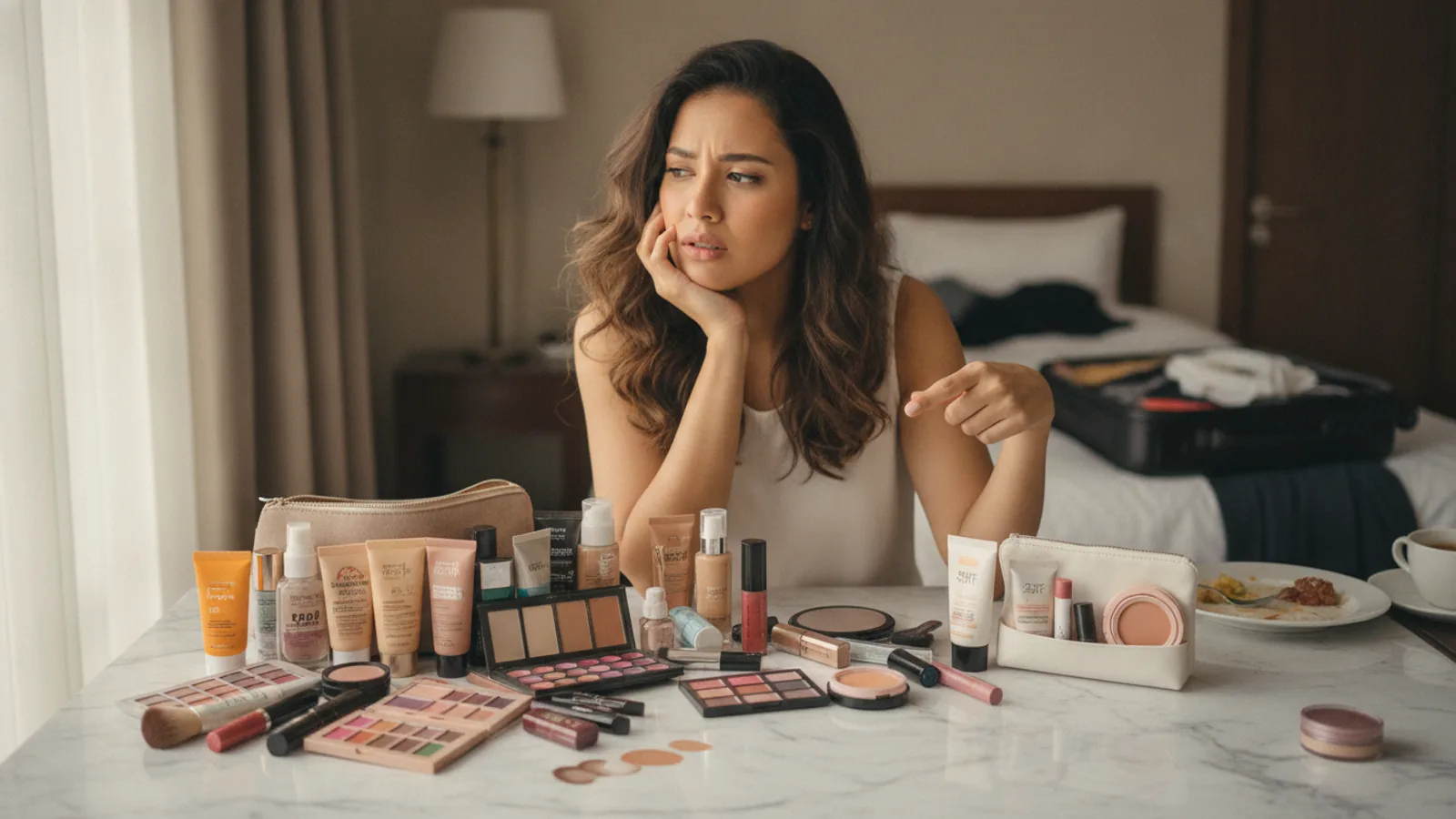
- Makeup gathers in fine lines or looks cakey: You are likely using too many products or heavy formulas. Simplify your base to a tinted moisturizer or a light to medium coverage foundation. Apply with a damp sponge, and set with a powder only where you are oily.
- A burning sensation after using a setting spray or primer: The product may contain alcohol or astringent ingredients that dry out your skin. Carefully read the label and avoid sprays or primers listing 'denatured alcohol' or 'SD alcohol'. Choose a hydrating mist with aloe or glycerin instead.
Advanced Tips
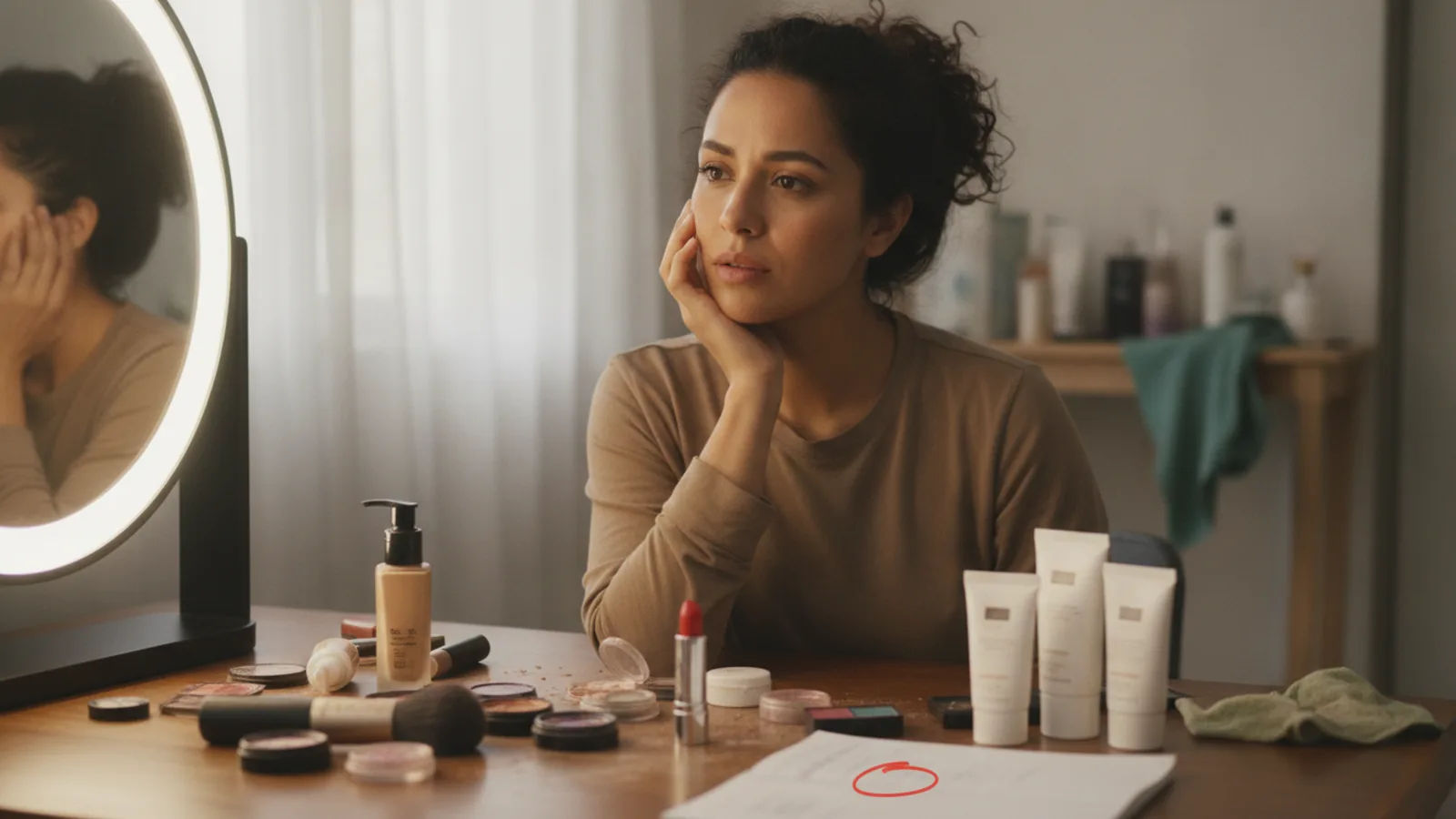
- Keep a 'makeup diary' where you note the specific product, date, and any skin reaction. This helps you identify patterns over months, such as sensitivity that only appears after you use a certain brush cleaner.
- Replace your makeup sponges regularly, at least every three months, as they harbor bacteria that can cause irritation. Between replacements, wash them weekly and allow them to air dry in a well-ventilated space.
- Consider using a separate set of makeup brushes for your eyes and lips, and never share them with others, even close friends, to prevent allergen transfer and bacterial contamination.
Final Checklist
- Before using a new product, check its ingredient list for fragrance, alcohol, and other common irritants like parabens or dyes.
- Patch test every new product for 48 hours on your inner arm, and only introduce one new item at a time.
- Use lukewarm water for cleansing, and never rub your face with a towel—pat it dry instead.
- If you experience any stinging, burning, or redness, stop using the product immediately and allow your skin to recover before trying another product.
FAQ
How can I tell if a product is truly fragrance-free?
Look for the phrase 'fragrance-free' on the label, and also scan the ingredient list for terms like 'parfum', 'linalool', 'citronellol', or 'geraniol'. A product can be labeled 'unscented' but still contain masking fragrances, so it's safer to rely on a 'fragrance-free' claim and a short ingredient list.
Can I wear makeup every day with sensitive skin?
Yes, but you should keep your routine simple and your products gentle. Focus on clean application and removal at night. Use a mineral-based sunscreen as a barrier, and let your skin breathe on weekends by wearing little to no makeup. This reduces cumulative irritation.
Is a facial mist okay for sensitive skin?
Yes, but choose one that contains minimal ingredients, such as water and aloe or glycerin. Avoid mists with added alcohol or essential oils. Spritz lightly before or after makeup, but do not rely on it as the only source of hydration. Always follow with a moisturizer if your skin feels dry.