How To Choose A Fragrance Test Before Committing To A Full Bottle
A practical step-by-step guide to how to choose a fragrance test before committing to a full bottle, including preparation, instructions, common issues, tips, and next steps.
How To Choose A Fragrance Test Before Committing To A Full Bottle
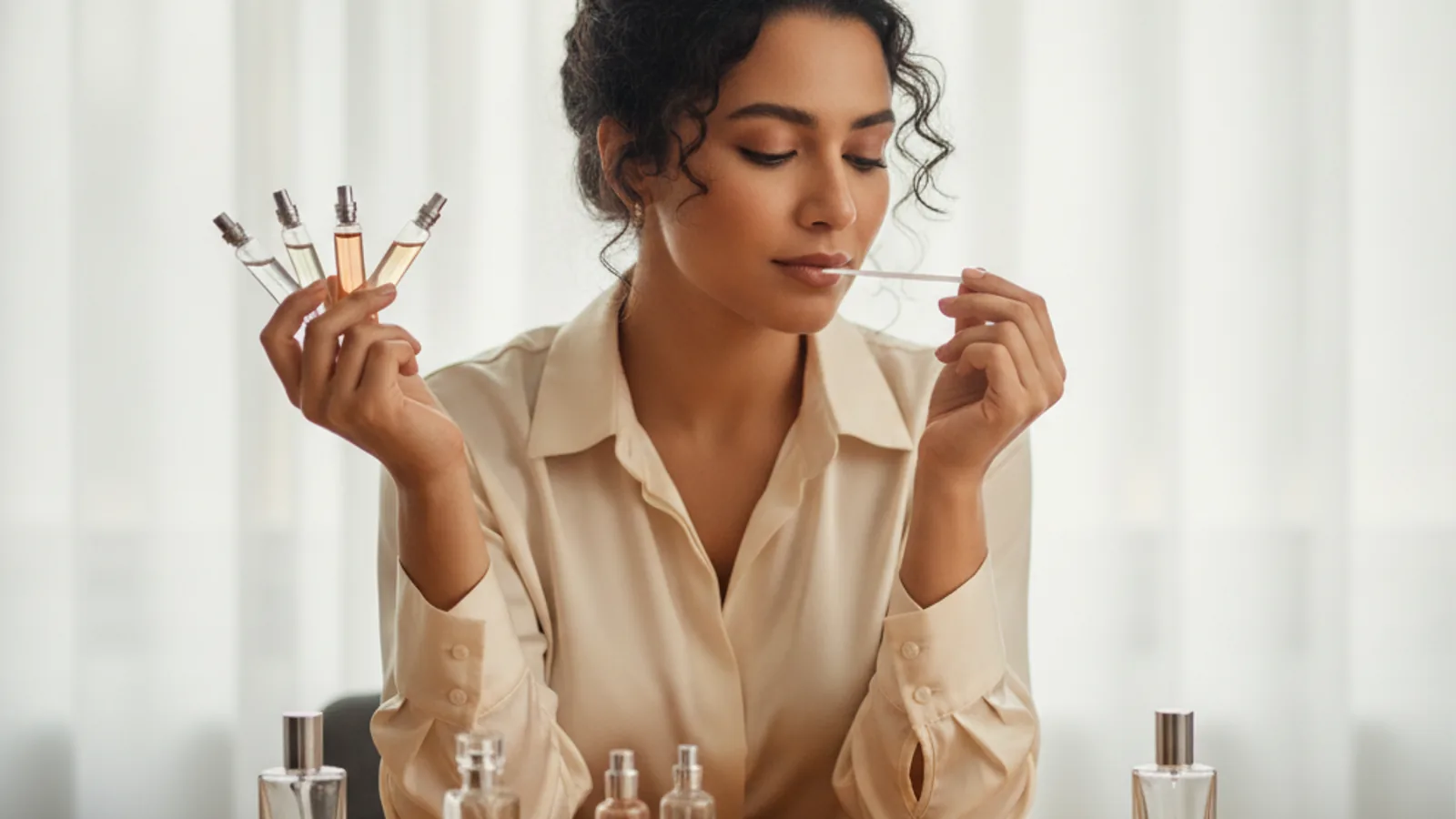
Choosing a fragrance is a personal journey, and testing before buying a full bottle saves you from costly mistakes. This guide walks you through a mindful testing process, from understanding fragrance families to applying on skin and living with the scent for a day. You'll learn to evaluate the perfume's evolution, assess its longevity and sillage, and decide if it truly fits your lifestyle and personality. By following these steps, you'll confidently select a fragrance that feels like an extension of yourself.
Fast Answer
- Spray the fragrance directly on your skin, preferably on your wrist or inner elbow, and let it dry naturally. Do not rub, as this breaks down the top notes.
- Carry the tester strip with you and revisit it after a few hours to experience the heart and base notes without the influence of your skin chemistry.
Before You Start
- Choose a time when you can dedicate several hours to testing, ideally in the morning when your sense of smell is fresh and not overwhelmed by daily activities.
- Avoid drinking strong coffee or eating heavily spiced foods before testing, as these can dull your olfactory senses and alter your perception of the fragrance.
- Bring a notebook or use a note-taking app on your phone to record your first impressions, reactions, and the scent's evolution over time.
- Wear clean, unscented clothing and avoid using scented lotions or deodorants on the areas where you plan to apply the fragrance.
Step-by-Step Instructions
Start with a Clean Palate for Your Nose
Before you begin testing, ensure your nose is ready to perceive the subtle nuances of fragrance. This means avoiding any strong-smelling substances for at least an hour prior, including food, coffee, and scented personal care products. When you arrive at the store or open your test samples, take a few slow, deep breaths of fresh air. If possible, step outside or near a window. Smelling your own clean skin, like the back of your hand, also resets your olfactory system. This step is crucial because your nose can become easily overwhelmed, and if it is already tired or saturated with other smells, you won't be able to accurately judge the fragrance's true character. By starting with a neutral baseline, you give yourself the best chance to detect the perfume's top, heart, and base notes as they unfold, ensuring your initial reaction is genuine and not influenced by external contaminants.
Master the Proper Way to Apply the Scent
When you are ready to test a fragrance, spray it directly onto your skin, ideally on your wrist or the inside of your elbow, and do not let the nozzle get closer than a few inches. This ensures an even mist covers the area. Immediately after spraying, do not rub your wrists together or touch the area with your hands; rubbing breaks down the molecules and alters the scent's development. Instead, let the fragrance air dry completely. This action is vital because it preserves the integrity of the top notes, which are the first impression you get. These volatile compounds are responsible for the initial burst of scent, and if you interfere with their evaporation, you will miss a key part of the fragrance's character. Once dry, you can gently bring your wrist to your nose, cupping your hand slightly to gather the scent without directly inhaling from the sprayed area, which can be overpowering.
Give the Fragrance Time to Reveal Its Heart
Immediately after application, the fragrance presents its top notes, which are light and fleeting. These last only about 15 minutes to an hour. After that, the heart notes emerge. These are the core of the perfume, and they last for several hours. To assess the heart properly, resist the urge to sniff the spray area constantly. Instead, set a timer and refrain from smelling it for at least 30 minutes. When you do smell it, do so gently and for a short time. Taking a quick whiff, waiting a few seconds, and then smelling again helps you perceive the more subtle aspects. This step matters because many people judge a fragrance solely by its opening, which often fades quickly, and they miss the beautiful or interesting heart that follows. By waiting, you allow the fragrance to settle and merge with your skin chemistry, revealing how it truly smells on you beyond the initial blast.
Evaluate How the Fragrance Dries Down and Lasts
As hours pass, the fragrance evolves into its base notes, which are the deepest and longest-lasting part of the perfume. This dry down can take anywhere from two to six hours, and it is what you will smell on your skin at the end of the day. To evaluate this stage, periodically check the scent every hour or so. Notice how the fragrance changes, becoming warmer, woodier, or more musky. Also, pay attention to its projection and longevity. After four hours, hold your wrist near your nose and see if you can still detect the fragrance. Then, move your wrist away and see if you can catch a whiff from a distance, without bringing your wrist directly to your nose. This tells you about the perfume's sillage. Judging these factors is essential because the base notes are the lasting memory of the scent. If you dislike the base notes, you will likely be dissatisfied with the fragrance as a whole. Additionally, if the scent fades too quickly, you may need to reapply often, which could be a deal-breaker.
Live with the Fragrance Through Your Daily Routine
A fragrance can smell different depending on your activities, the weather, and your mood. To truly decide if a fragrance is right for you, wear it for an entire day, from morning to evening, and go about your normal routine. Go to work, run errands, exercise, or simply relax at home. Notice how the fragrance feels in different environments. Does it become overwhelming in a warm, stuffy room? Does it fade quickly when you are active? Does it feel appropriate for a professional setting or more suitable for an evening out? Pay attention to the responses you get from others, but do not rely solely on their opinions. More importantly, notice how you feel wearing it. Does it give you confidence? Does it feel like 'you'? This step is critical because a fragrance that seems lovely in a spray-and-sniff test may not fit your lifestyle or personal style. By integrating it into your daily life, you test its usability and your genuine enjoyment over time.
Reflect, Compare, and Make Your Final Decision
After you have tested a fragrance for a full day, take time to reflect on your experience. Write down your thoughts, including what you liked and disliked about the scent's evolution, how it made you feel, and how it performed in terms of longevity and projection. If you are testing multiple fragrances, compare your notes side by side. Consider which one you found yourself wanting to smell again, which one felt more natural on your skin, and which one aligns best with the image you want to project. Also, think about the occasions you plan to wear it for—work, casual outings, or special events. This reflection matters because buying a fragrance is an emotional and sensory investment. By giving yourself time and space to evaluate, you ensure that your final choice is not impulsive but a well-considered decision based on your real-life experiences. Once you have determined the clear winner, consider purchasing a decant or smaller travel size to continue wearing it before committing to a full bottle.
Quick Reference
| Situation | Action | Why it helps |
|---|---|---|
| A fragrance smells amazing on a tester strip but terrible on your skin. | Do not rely on the paper strip alone; always test on your skin before buying. The scent may interact with your natural oils, so try it at least twice on different days. | Your skin's chemistry can dramatically change a fragrance, and only on-skin testing reveals the true scent experience. |
| You love the top notes of a fragrance but are unsure about the dry down. | Wait a full eight hours and smell it again, or apply it in the morning and wear it through lunch to experience the base notes fully. | Top notes fade quickly, and the base notes are what you will live with, so they must appeal to you for a successful purchase. |
| A fragrance seems to disappear quickly, leaving you wondering about its longevity. | Apply to multiple pulse points and see if it lasts through a typical workday; if not, consider if you are willing to reapply. | Understanding the real longevity in practical terms helps you decide if the fragrance fits your lifestyle and needs. |
Common Issues
- You become anosmic to the fragrance after wearing it for a while and can't smell it anymore.: Give your nose a break by taking a few minutes to smell clean air or unscented skin, and avoid smelling the spritzed area directly. Rely on others' feedback if possible, or trust your initial impressions.
- The fragrance gives you a headache or feels overwhelming.: Reduce the number of sprays (e.g., apply only to your neck or chest), or try a lighter version like an eau de toilette instead of a parfum. If it persists, the scent may be too heavy for you, and you should look for something with a lighter sillage.
- The fragrance doesn't last longer than a few hours, despite the tester strip smelling strong.: Check your skin type and hydration; dry skin holds fragrance less effectively. Apply unscented lotion or oil to your skin before spraying, and focus on applying to pulse points where warmth enhances scent diffusion.
Advanced Tips
- Test fragrances in different seasons, as heat and cold can dramatically alter how a scent projects and evolves on your skin.
- Use an unscented, alcohol-free lotion to moisturize your skin before spraying, as hydrated skin helps fragrances last longer.
- Consider layering the fragrance with a complementary product from the same line or with unscented body care to create a unique, subtle signature scent.
Final Checklist
- I tested the fragrance on my skin and allowed it to dry down for a full 8 hours.
- I lived with the scent through my daily routine, including work, exercise, or leisure.
- I compared it to at least two other fragrances using consistent criteria like longevity, sillage, and personal appeal.
- I have a written note of my impressions and am confident the fragrance matches my personality and occasions.
FAQ
How many fragrances can I test in one session without getting nose fatigue?
It is best to test no more than three fragrances at a time to avoid overwhelming your sense of smell. After each, sniff clean coffee beans or your own skin to reset your nose. If you want to test more, take a break and come back later, perhaps on another day, so you can properly evaluate each scent without cross-contamination.
Is it okay to judge a fragrance just by smelling the bottle or cap?
No, smelling the bottle or cap only gives you a very concentrated, inaccurate impression of the top notes. It does not tell you how the fragrance interacts with your skin or develops over time. The correct method is to spray on a tester strip for initial screening, but always spray on your skin and wait for the dry down before making a judgment.
How long should I wait before deciding if I like a fragrance?
Wait at least 30 minutes after application to get past the top notes and experience the heart. For a complete assessment, wear the fragrance for a full day or at least eight hours to observe the dry down and longevity. If you are still undecided, revisit the fragrance on another day, as your mood and environment can influence your perception.